
Untitled 2

The relationship between philosophy and logic

The relationship between philosophy and logic

Untitled 2

The truth of the matter is that the relationship between philosophy and logic is diale ctical. A cohe rent philosophy cannot be constructed without logic, and logic without a philo sophical context remains an abstract set of laws devoid of real value. While philosophy explores truth, goodness, and beauty and strives to arrive at the truth, logic is the set of laws that pro tect the mind from error and enable it to distinguish right from wrong.
While philosophy has developed over a long historical context, logic, in turn, has developed significantly and has not remained confined to Ari s t otelian formal logic.
Untitled 2

Relationship between philosophy and logic

Relationship between philosophy and logic

Untitled 2

حقيقة الأمر أنّ العلاقة بين الفلسفة والمنطق علاقة جدليّة، إذ لا يُمكن بناء فلسفة متماسكة من دون منطق، والمنطق من دون سياق فلسفيّ يبقى مجموعة قوانين مجرّدة لا قيمة واقعيّة لها. فإذا كانت الفلسفة تبحث في الحقّ والخير والجمال، وتبذل الجهد من أجل الوصول إلى الحقيقة، فإنّ المنطق هو مجموعة القوانين التي تعصم العقل من الخطأ، وتجعله يُميّز الصواب من الخطأ.
وإذا كانت الفلسفة قد تطوّرت عبر سياق تاريخيّ طويل، فإنّ المنطق، بدوره، تطوّر تطوّرًا ملحوظًا ولم يبقَ محصورًا بالمنطق الصوريّ الأرسطيّ.

Untitled 6

Rationalism in Al-Kindi

Rationalism in Al-Kindi

Untitled 6

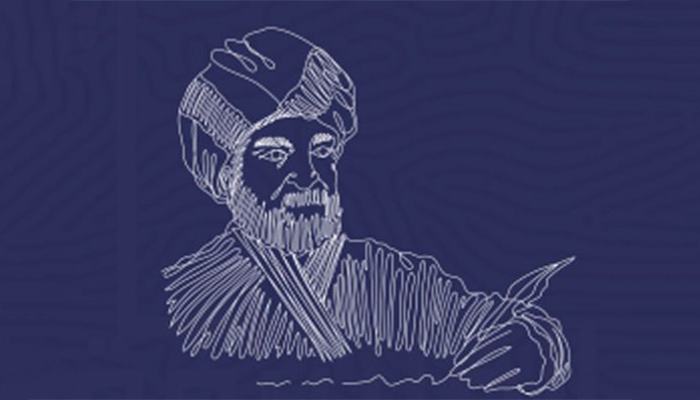
Al-Kindi defined philosophy as “the science of things in their true form,” and considered it “the art of crafts and the wisdom of judgment.” He strongly defended it against the narrow-minded jurists and clerics who excommunicated philosophers and accused them of heresy based on the false belief that religion does not permit rational thought. He described them as short-sighted, narrow-minded, and ignorant.

Al-Kindi’s defense of philosophy did not stop at merely approving it and urging its pursuit. Rather, he had to remove any suspicion of unbelief and heresy from it. This is what drove him to seek a reconciliation between philosophical and religious truths, thus becoming the first to delve into the great problem in the history of Islamic philosophy: the problem of the relationship between reason and tradition, or wisdom and Sharia according to the term later established by Ibn Rushd, as is well known.

Untitled 6

Canadian Mentality

Canadian Mentality

Untitled 6

Canadian has defined the philosophy as the science of things with its facts, promised by the industry and wisdom, and strongly defended it against poor and narrow-minded clergy, who honoured the philosopher, and accused them of truncheon based on the misconception that religion does not allow mental thinking, describing them as short-sighted, and narrow-minded.

Canada has not only stood in its defence of philosophy at the limits of its sponsorship, and urged its request, but must have denied it the paranoid and negligent suspicion, which has prompted it to search for the reconciliation of philosophical and religious realities, so that it would have been the first major problem in the history of Islamic philosophy, the problem of the relationship between reason and transport, or the wisdom and sharia, as subsequently defined.

Untitled 7

The philosopher and human being

The philosopher and human being

As you live, you have no choice but to face the problems and needs of daily life. There are no limits to people’s sorrows, pains, and joys. People are all people, the poor and the rich, the old, the young, the child, the great and the small.
Untitled 7

The good, the wicked, the submissive, the rebellious, the sad, the happy, the homeless, the refugee, the orphan, the bereaved, the hungry, the cold, the lover, the unemployed, the enslaved, the oppressed, the yearning, the glo alien, the spiteful, the lover, the criminal, the altruist, the weak, the ambitious and low noble. ctifier, the dissolute, the absurd, the generous, the miserly, the fighter, the opportunist, the ignorant, the racist, the tolerant, the pretender, the liar, the honest, the concealer, the believer, the infidel, the atheist, the beautiful, the ordinary, the surprising, the writer, the true reader, the reader and con ces of the great questions of philosophy, of the philosophy of values, life, death, and destiny., philosophy arose from thinking about the problems of people’s daily lives, from the never-ending hi storical determinations of human exi stence.

The philosopher is the only one conc erned with all these determinations of being, without anyone charging him with that. And because he is always preoccupied with this being and its determinations based on his personal mind, exposing, revealing, and understanding, the general mind, asleep in the bed of illusory certain ties, quickly builds a hostile and aggressive relationship with philosophy and the philosopher, with those he thinks about, with their reality and their destiny.

Untitled 7

The philosopher and the human being.

The philosopher and the human being.

أما وإنك تعيش فلا مناص لك من مواجهة مشكلات الحياة اليومية وحاجاتها، ولا حدود لأحزان الناس وآلامهم وأفراحهم، الناس كل الناس، فقيرهم وغنيهم، شيخهم، وفتاهم وطفلهم، كبيرهم وصغيرهم.
Untitled 7

إن الخيّر والشرير والخانع والمتمرد والحزين والفرِح والمشرد واللاجئ واليتيم والثكلى والجوعان والبردان والعاشق. والعاطل عن العمل والشاعر بالعبودية والمقهور والمشتاق والمتشفي والحاقد والكاره والمحب ،والمجرم والمؤثر والضعيف والقوي والطامح والقانع والنبيل والوضيع والقاهر والمقهور والمتشائم والمتفائل واللامبالي والمغترب والمتشيئ والماجن والعبثي والكريم والبخيل والمناضل والإنتهازي والجاهل والعالم والعنصري والمتسامح والمدعي والكاذب والصادق والمواري والمؤمن والكافر والملحد والجميل والعادي والمألوف والمدهش والكاتب والقارئ والمتأمل هم المنابع الحقيقية لأسئلة الفلسفة الكبرى، لفلسفة القيم والحياة والموت والمصير. أجل، إنما نشأت الفلسفة من التفكير بمشكلات الحياة اليومية للناس، من التعينات التاريخية التي لن تنتهي للكينونة البشرية.

إن الفيلسوف هو المهموم الوحيد بكل تعينات الكينونة هذه دون أن يكلفه أحد بذلك، ولأنه دائم الإنشغال بهذه الكينونة و تعيناتها انطلاقاً من عقله الشخصي، فاضحاً وكاشفاً وفاهماً فإن العقل العام النائم في سرير اليقينيات الوهمية سرعان ما يبني علاقة عدائية وعدوانية مع الفلسفة والفيلسوف، مع من يفكر بهم، بواقعهم ومصيرهم.

Un8

The independence of the philosopher

The independence of the philosopher

No one practicing creativity is more independent than the philosopher, but no one is quicker to take a stand than the philosopher. In fact, it is the philo Sopher's independence that prompts him to quickly adopt positions on the events of his time and to philosophically engage with them. How do we understand this?
Un8

The good, the wicked, the submissive, the rebellious, the sad, the happy, the homeless, the refugee, the orphan, the bereaved, the hungry, the cold, the lover, the unemployed, the enslaved, the oppressed, the yearning, the glo alien, the spiteful, the lover, the criminal, the altruist, the weak, the ambitious and low noble. ctifier, the dissolute, the absurd, the generous, the miserly, the fighter, the opportunist, the ignorant, the racist, the tolerant, the pretender, the liar, the honest, the concealer, the believer, the infidel, the atheist, the beautiful, the ordinary, the surprising, the writer, the true reader, the reader and con ces of the great questions of philosophy, of the philosophy of values, life, death, and destiny., philosophy arose from thinking about the problems of people’s daily lives, from the never-ending hi storical determinations of human exi stence.

The philosopher is the only one conc erned with all these determinations of being, without anyone charging him with that. And because he is always preoccupied with this being and its determinations based on his personal mind, exposing, revealing, and understanding, the general mind, asleep in the bed of illusory certain ties, quickly builds a hostile and aggressive relationship with philosophy and the philosopher, with those he thinks about, with their reality and their destiny.

Un8

Independence of the philosopher

Independence of the philosopher

ليس هناك أحد من الذين يمارسون الإبداع أكثر استقلالا من الفيلسوف، ولكن ليس هناك أسرع من الفيلسوف في اتخاذ الموقف أيضا، بل قل إن استقلال الفيلسوف هو الذي يحمله على الإسراع في اتخاذ المواقف تجاه أحداث عصره والاندراج فيها فلسفيا. فكيف نفهم ذلك؟
Un8

إن الخيّر والشرير والخانع والمتمرد والحزين والفرِح والمشرد واللاجئ واليتيم والثكلى والجوعان والبردان والعاشق. والعاطل عن العمل والشاعر بالعبودية والمقهور والمشتاق والمتشفي والحاقد والكاره والمحب ،والمجرم والمؤثر والضعيف والقوي والطامح والقانع والنبيل والوضيع والقاهر والمقهور والمتشائم والمتفائل واللامبالي والمغترب والمتشيئ والماجن والعبثي والكريم والبخيل والمناضل والإنتهازي والجاهل والعالم والعنصري والمتسامح والمدعي والكاذب والصادق والمواري والمؤمن والكافر والملحد والجميل والعادي والمألوف والمدهش والكاتب والقارئ والمتأمل هم المنابع الحقيقية لأسئلة الفلسفة الكبرى، لفلسفة القيم والحياة والموت والمصير. أجل، إنما نشأت الفلسفة من التفكير بمشكلات الحياة اليومية للناس، من التعينات التاريخية التي لن تنتهي للكينونة البشرية.

إن الفيلسوف هو المهموم الوحيد بكل تعينات الكينونة هذه دون أن يكلفه أحد بذلك، ولأنه دائم الإنشغال بهذه الكينونة و تعيناتها انطلاقاً من عقله الشخصي، فاضحاً وكاشفاً وفاهماً فإن العقل العام النائم في سرير اليقينيات الوهمية سرعان ما يبني علاقة عدائية وعدوانية مع الفلسفة والفيلسوف، مع من يفكر بهم، بواقعهم ومصيرهم.

Untitled 3

We and Enlightenment

We and Enlightenment

The question of enlightenment has been a pervasive issue in our Arab world for more than a century, posing a challenge to minds reflecting on our conditions. The author of this article has published more than one letter in response to the question: What is enlightenment? Each time he addr e sses the issue of enlightenment, he finds himself in need of further elaborating on his answer.
Untitled 3

When we begin searching for an answer to that relationship that we have titled (We and Enlightenment), I will pause at what seems at first glance to be something that does not require consideration. I mean the separate subject pronoun, which indicates a rep group’s awareness of itself, in that "we" is the plural of "I." as the pronoun (I) refers to both masculine and feminine. sent it without being assigned to do so, uses the pronoun (we,) this means that they have an awareness of an identity that makes them belong to the group (from the nation to the group), and they have an awareness of what the members of the group have in common.

But the speaking ego cannot p ossess the chara c teri stics of a group, and a group that shares a chara c teri stic cannot be a colle ction of similar individuals. Therefore, when the ego asks, "Who are we?", it declares its affiliation with the "we" it refers to.

"We" here in the question form are the inhabitants of the region extending from the ocean to the Gulf, with its Arab majority and various minorities. The inhabitants of the Arab region, with their classes and groups, their countries and regions, their religions, sects and denominations, with their contradictions and differences.