مدرسة الفجيرة الشتوية

مدرسة الفجيرة الشتوية

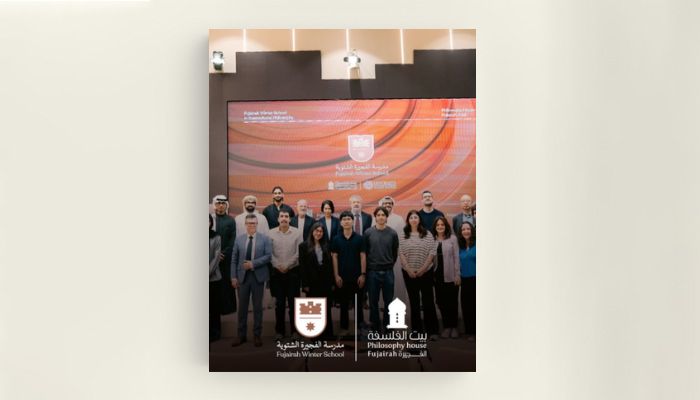
يستضيف بيت الفلسفة مدرسة الفجيرة الشتوية بعنوان: الذكاء االصطناعي واإلنسان بوصفه كائناً ثقافًياً من 1 إلى 7 فبراير 2026
تأتي المدرسة ثمرة شراكة أكاديمية بين بيت الفلسفة وجامعة ألدو مورو في باري، وبإشراف علمي من البروفيسور لوكا ماريا سكانتينو

معرض القاهره للكتاب

بيت الفلسفة يشارك في معرض القاهرة الدولي للكتاب

بيت الفلسفة يشارك في معرض القاهرة الدولي للكتاب! زورونا في مركز مصر للمعارض والمؤتمرات الدولية بالتجمع الخامس من 21
يناير حتى 3 فبراير 2026 الكتشاف إصداراتنا الفلسفية ومجلتنا الفصلية، واالنضمام للحوار حول الافكار والمعرفة


New Project2

القمّة الدوليّة للفلسفة “العيش المشترك والحوار بين الشّعوب”

القمّة الدوليّة للفلسفة “العيش المشترك والحوار بين الشّعوب”

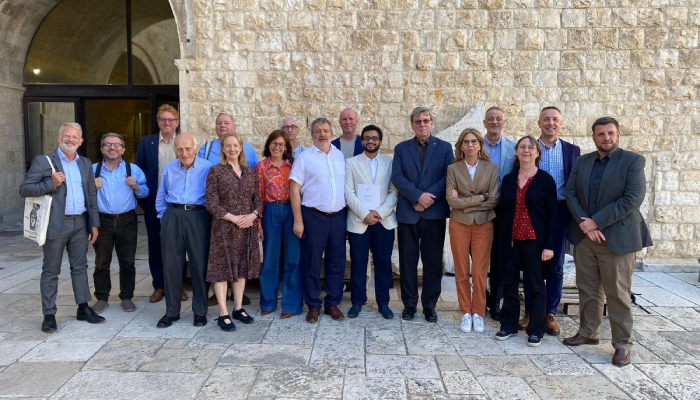
تحت شعار ”التعايش والحوار بين الشعوب” بيت الفلسفة يشارك في بيان بارليتا في إيطاليا. ممثلا عن المنطقة العربية، انضم وفد بيت الفلسفة إلى مجموعة متميزة من الفلاسفة والمفكرين في قمة مجموعة الدول السبع 2024 في إيطاليا للمشاركة في صياغة بيان بارليتا.
New Project2

مجموعة الدّول السّبع 2024
بارليتا، إيطاليا 24-23 مايو، 2024

بيانٌ حول الفلسفة والبينيّة الثّقافيّة:

في عالمٍ مليء بالعديد من التحدّيات المتسارعة وتزايد فرص النموّ، تبرز الحاجة مُلِحّةً إلى رؤى واستجابات فلسفيّة جادّة. إنّ تزايد الفقر، وانعدام الأمن، وتناقص الحرّيّات، وانتشار الصراعات، يتطلّب منّا أن نبحث عن أنماط جديدة من العيش المشترك.

الفلسفة:

توفِّر الفلسفة مواردَ فريدة في عالم يتّجه إلى العولمة بسرعة. فهي تدرس الفرضيّات والمبادئ الأساسيّة لممارساتنا ونظريّاتنا المختلفة، وقد ازدهرت وتطورت، دائمًا، بالحوار – أو بالأحرى بالحوار المتعدّد الأطراف – بين وجهات نظر مختلفة. ومن ثمّ، فهي في وضع فريد يُتيحُ لها أن تُشجّع التفكير من زوايا مختلفة وحول رؤى مختلفة.

أَفْضَتِ الفلسفة، في بعض الأحيان، إلى ترسيخ قناعات قويّة وإيديولوجيّات مُتَزَمِّتة. كما فشل الفلاسفة أحيانًا في التعرُّف على التنوّع والاختلافات بين اللّغات والتقاليد. ورغم ذلك، فإنّ الفلسفةَ، بوصفها فرعًا من فروع المعرفة التأمّليّة، قادرةٌ على تحديد الفرضيّات والافتراضات المسَبَّقة، والتعامل مع القضايا الّتي تهمّ النّاس والشّعوب خارج نطاق الأكاديميا. وقد انتقلت نصوصها وتقاليدها من ثقافة إلى أخرى، ومن لغة إلى أخرى، وهي تدرك الحاجة إلى الدراسة والتعلّم باللّغات الأصليّة لمؤلّفيها.

يُشَجِّع التفكيرُ الفلسفيُّ على المشاركة المدنيّة والديمقراطيّة، ويُساعد في تطوير المعرفة والمهارات اللازمة للاستماع والتعبير والتواصل بشكل فعّال. وقد لعب التبادل الفكريّ والثقافيّ الّذي يميّز الفلسفة ولم يزل يلعب (ويستمرّ) دورًا مهمًّا في تعزيز حوار الحضارات والعيش المشترك.

حال الفلسفة اليوم:

لعبت الفلسفة دورًا رئيسيًا في الأكاديميا في جميع أنحاء العالم، على الرّغم من أنّ هذا الدّور تطوّر بطرقٍ مُتنوِّعة على مرّ القرون. ولكنّ الفلسفة الأكاديميّة في أوروبا والعالم الناطق باللّغة الإنجليزيّة أصبحت أكثر تعبيرًا عن المركزيّة الأوروبيّة، وقد تمّ استنساخ هذا الأمر جزئيًّا في أماكن أخرى من العالم نتيجة التوسُّع الأوروبيّ، والاستعمار، والعولمة.

وقد بدأت الجامعات تنتبه تدريجيًّا إلى [حقيقة] هذا الأمر، مدركة الحاجة إلى توسيع نطاق البرامج الفلسفيّة وتنويع مناهجها الدراسيّة، ولكنّها تصطدم على الدّوام بالعديد من العقبات الثقافيّة والهيكليّة والمؤسّساتيّة الكبيرة التي تحول دون التغلب على هذه المشاكل، وهي عقبات ناجمة عن الاختلالات وعدم التماثل في الأنظمة الجامعيّة، فضلًا عن الاختلالات الأوسع نطاقًا المتمثّلة في القيود الاجتماعيّة والسيّاسيّة والاقتصاديّة والإيديولوجيّة.

وتلعب الجامعات دورًا قويًّا في تحديد البرامج والمناهج الدراسيّة وفي وضع جداول الأعمال التربويّة والبحثيّة. وتقوم الجامعات بهذا الأمر استجابة للاحتياجات الاجتماعيّة أو السيّاسيّة، والقيود الماليّة، والاتجاهات الثّقافيّة. ويترتّب على ذلك حتمًا إدراج بعض المواضيع والشّخصيّات والسّرديّات والمقاربات على حساب بعضها الآخر. وهذا يؤدّي إلى تهميش إسهامات النّساء أو الإسهامات القادمة من مناطق معيّنة، على سبيل المثال. وغالبًا ما تكون أعمال الفيلسوفات والفلسفات النّسويّة غائبة، حتى يومنا هذا، عن المناهج الدّراسيّة. كما إنّ المرأة غير ممثَّلة تمثيلًا مناسبًا في العديد من أقسام الفلسفة، بالإضافة إلى أنّ الهوّيّات الإثنيّة غائبة بشكلٍ ملحوظ في الميدان الأكاديميّ، ومن ثمّ يخسر التفكير الفلسفيّ قضايا ووجهات نظر مهمّة كان يمكن أن تُكَوِّن رافدًا نوعيًّا له.

وتتفاقم هذه الخسارة بسبب الهيمنة المتزايدة للّغة الإنجليزية بوصفها اللّغة الأكاديميّة العالميّة. وقد أدى هذا الأمر إلى التقليل من قيمة التفكير الفلسفيّ في اللّغات الأخرى، مما أفضى إلى تضييق آفاق الخطاب في الموارد المفاهيميّة والمحتوى والأساليب ووجهات النظر. إنّ أخذَ التنوُّع اللّغويّ على محمل الجدّ أمرٌ حيويّ من أجل تحقيق حوار فلسفيّ حقيقيّ بين الحضارات.

مقاربات البينيّة الثقافيّة:

يواجه عالمنا اليوم تحدّيات بيئيّة واجتماعيّة وسيّاسيّة وتقنيّة كبيرة تهدِّد مستقبل أشكال الحياة كلّها. وتتطلّب هذه التحدّيات بذل جهود منسّقة من كلّ البلدان والمجتمعات للاستجابة بفعاليّة والاشتراك في حوار بَنّاء، على أساس الفهم الحقيقيّ لوجهات نظر الأطراف الأخرى.

إنّ تطويرَ توجُّهٍ نشيطٍ مُتَعدِّد الثقافات في إطار التفكير الفلسفيّ، وفي العلوم الإنسانيّة بشكل عامّ، من شأنه أن يُمَكِّننا من التعامل مع مشاكل الإقصاء وغياب التنوّع. [وفي هذا الإطار]، فإنّ إحدى أكثر المهارات الفلسفيّة الأساسيّة نجاعةً هي القدرة على التفكير من وجهة نظر الآخرين. وهذا الأمر يشتمل على فهم الأفكار والمشاكل واستنطاقها بشكل نقديّ من وجهات نظر مختلفة. وكلّما أمكن فعل ذلك، أمكن تقليل الخوف من الاختلاف. وهذه القدرة على التفكير من وجهة نظر الآخرين أمرٌ لا غنى عنه لا سيّما في تطوير المواقف الديمقراطيّة الّتي تُوفِّر الأساس لمجتمعٍ تعدّديّ.

دعوةٌ إلى عيشٍ مشترك حقيقيّ:

يبحث مصطلح “العيش المشترك” – انسجامًا مع أصل نشوئه اللّغويّ – عن أنماط من العمل المشترك العابرِ الاختلافات، والمعتمِد على تبنّي التنوّع والتعدُّد الثّقافيّ، ويتردّد صداه في العديد من التقاليد الفلسفيّة فهو يتبنّى التعايش، على الصعيد العالميّ، بين طرائق تفكير مختلفة، وفي بعض الأحيان، متعارضة جذريًّا، وأنماطٍ عديدة من أنماط التماهي مع العالم. إنّ كيفيّة الجمع بين هذه الأمور وفتح طرق محترمة للبحث عن فهم بعضنا لبعض أمرٌ بالغ الأهميّة.

تعرّض مفهوم العيش المشترك، في بعض الأحيان، للنّقد لأنه لا يولي اهتمامًا كافيًا للخلاف والاختلاف. ومع ذلك، فإنّ اقتراحنا يتمثّل في تجاوز هذا النّقد من خلال حشد انغماس الفلسفة في الجدال، والعمل من خلال وجهات نظر مختلفة وعبرها من أجل تطوير حقيقيّ لمفهوم العيش المشترك. ونعني بهذا شكلاً جديدًا من التفكير الفلسفيّ الّذي يؤكّد بشكلٍ جذريّ البينيّة الّتي تضع المشاركة العميقة مع أفكار الآخرين في جوهر رؤيته. ومن خلال تشجيع الحوار الواسع عبر الحدود القائمة ــ والاحتفاء بإنشاء فضاءات اتصال فكرية جديدة ــ يغدو بمقدورنا أن نُطَوِّر مفاهيم جديدة، وأن نُحيي المفاهيم القديمة وأن نُوَظِّفها مُجَدّدًا من أجل العيش السّلميّ والمستدام معًا.

خطّة عمل:

تمّ اقتراح نقاط العمل الآتية لتعزيز العيش المشترك، وقيمة الفلسفة وممارستها، ومقاربات البينيّة الثقافيّة:

1- التعبير عن التزامٍ قويّ بتوسيع نطاق التعليم الفلسفيّ والإنسانيّ، وبخاصّة بين الأجيال الشابّة عبر مستويات مختلفة من التعليم، مع التركيز على الاستمراريّة بين التعليم الثانويّ والتعليم العالي، وعلى توسيع نطاق وجود الفلسفة في الحياة العامّة.

وتتمثل فائدة هذا الإجراء في أنّ الفلسفة والعلوم الإنسانيّة تسهم بطريقة فريدة وهامّة في (أ) النموّ الشّخصيّ والتماسك الاجتماعيّ؛ (ب) التواصل والعيش المشترك بين الثّقافات؛ (ج) المرونة في التكيّف والرّفاهية؛ (د) الاستخدام الهادف للتكنولوجيا الرّقميّة والذّكاء الاصطناعيّ، ورؤية الفلسفة حدودَهما وإمكانياتهما؛ (هـ) تعزيز السّلام، وتنمية المواطنة النّشطة، وديمومة الديمقراطيّة.

2- التأكد من أنّ الحدود لا تعوق العيش المشترك والحوار بين الثقافات والتبادل الأكاديميّ. ويجب الاعتراف بالجامعات والمؤسّسات الأكاديميّة بوصفها أماكن للجوء، ودعمها بالموارد الكافية.

والفلسفة، بوصفها مجالًا يهتمّ بالمسائل الأساسيّة للإنسانيّة، تتمّ دراستها وممارستها عبر الحدود، وقد تمّ إثراؤها عبر تاريخها من خلال التبادل بين الثقافات. وتُعَدّ القيود المفروضة على تأشيرات الدّخول عائقًا أمام كلّ ذلك. ولهذا يجب مقاومة المنطق المتنامي الذي يحوّل الحدود إلى بؤر للإقصاء والعنف والتجريد من الإنسانية وإدانته.

3- اتخاذ الإجراءات اللّازمة لاحترام الحرّيّة الأكاديميّة وحمايتها، والقضاء على الرّقابة والترهيب والاضطهاد، وتعزيز النموّ الأكاديميّ والتنقّل والتبادل وتسهيلهم.

4- معالجة العيوب الهيكليّة والمادّيّة لتسهيل المشاركة في المجتمع الأكاديميّ العالميّ.

5- تعزيز شبكات الفلاسفة الأكاديميّة من خلال العمل متعدِّد المستويات، بما في ذلك: (أ). دعم المؤسّسات الفلسفيّة القائمة في الجامعات والهيئات البحثيّة؛ (ب) تعزيز الحوار الفلسفيّ عبر مناطق مختلفة من العالم؛ (ج). زيادة نطاق تبادل الطلاب والباحثين وتوسيعه، مع إيلاء اهتمام خاصّ للتنقل في ما بين بلدان الجنوب – الجنوب، والشّرق -الغرب، والشّمال – الجنوب؛ (د). الحفاظ على نشر البحوث الفلسفيّة وإيصالها من خلال المبادرات العلميّة وغيرها من مبادرات التوعية؛ (ه). التحضير لعقد اجتماعات فلسفيّة مُنتظمة رفيعة المستوى، بما في ذلك في سياق مجموعة الدّول السّبع وفي ما يتعلّق بمؤتمر الفلسفة العالميّ.

بارليتا، 24 مايو 2024

  • موريس أيمارد
  • كلّيّة الدراسات العليا في العلوم الاجتماعيّة، مؤسسة دار العلوم للإنسان
  • مايكل بيني
  • جامعة أبردين
  • مارينزا بينيديتو
  • جامعة ألدو مورو في باريس
  • ماريو دي كارو
  • جامعة روما تري
  • جان بول دي لوكا
  • جامعة إيل تا مالطا
  • فيليب دورستويتز
  • الجامعة الأمريكيّة في رأس الخيمة
  • بيت الفلسفة في الفجيرة
  • رولف إلبرفيلد
  • جامعة هيلدسهايم
  • فابريزيا جولياني
  • جامعة سابينزا في روما
  • أنكي جرانيس
  • جامعة هيلدسهايم
  • شارون ماكدونالد
  • جامعة هومبولت في برلين
  • ميخائيل ميناكوف
  • معهد كينان / مركز ويلسون
  • باولو بونزيو
  • جامعة ألدو مورو في باريس
  • أحمد السماحي
  • بيت الفلسفة في الفجيرة
  • لوكا ماريا سكارانتينو
  • جامعة ألدو مورو في باريس
  • رئيس مؤتمر الفلسفة العالميّ الخامس والعشرين
  • ايميديو سبينيلي
  • جامعة سابينزا في روما
  • ويليام سويت
  • جامعة القديس فرانسيس كزافييه
  • بريان فان نوردن
  • كلية فاسار
New Project2

The International Philosophy Summit: “Coexistence and Dialogue Among Nations”

The International Philosophy Summit: “Coexistence and Dialogue Among Nations”

Under the theme “Coexistence and Dialogue Among Nations,”Philosophy House took part in the Barletta Declaration in Italy. Representing the Arab region, a delegation from Philosophy House joined a distinguished group of philosophers and thinkers at the G7 Summit 2024 in Italy, contributing to the drafting of the Barletta Declaration.
New Project2

Group of Seven 2024
Barletta, Italy May 23-24, 2024

A Statement on Philosophy and Interculturality:

In a world filled with many accelerating challenges and increasing opportunities for growth, there is an urgent need for serious philosophical visions and responses. Increasing poverty, insecurity, diminishing freedoms, and the spread of conflicts require us to seek new patterns of coexistence.

Philosophy:

Philosophy provides unique resources in a rapidly globalizing world. It examines the underlying assumptions and principles of our various practices and theories, and has always flourished and developed through dialogue—or rather, multilateral dialogue—between different perspectives. It is thus uniquely positioned to encourage thinking from different angles and about different visions.

Philosophy has sometimes led to the entrenchment of strong convictions and rigid ideologies. Philosophers have also sometimes failed to recognize the diversity and differences between languages and traditions. Nevertheless, as a branch of reflective knowledge, philosophy is capable of identifying hypotheses and presuppositions and of addressing issues of concern to people and peoples beyond academia. Its texts and traditions have passed from culture to culture, from language to language, and it recognizes the need to study and learn in the original languages of their authors.

Philosophical thinking encourages civic and democratic participation and helps develop the knowledge and skills necessary to listen, express, and communicate effectively. The intellectual and cultural exchange that characterizes philosophy has played, and continues to play, an important role in promoting dialogue among civilizations and coexistence.

The State of Philosophy Today:

Philosophy has played a major role in academia around the world, although this role has evolved in various ways over the centuries. However, academic philosophy in Europe and the English-speaking world has become increasingly Eurocentric, and this has been partly replicated elsewhere in the world as a result of European expansion, colonialism, and globalization.

Universities have gradually begun to wake up to this, realizing the need to expand the scope of philosophy programs and diversify their curricula. However, they constantly encounter many significant cultural, structural, and institutional obstacles to overcoming these problems. These obstacles arise from imbalances and asymmetries in university systems, as well as from broader imbalances represented by social, political, economic, and ideological constraints.

Universities play a powerful role in determining academic programs and curricula and in setting educational and research agendas. They do this in response to social or political needs, financial constraints, and cultural trends. This inevitably results in the inclusion of some topics, characters, narratives, and approaches at the expense of others. This marginalizes the contributions of women or those from certain regions, for example. The works of female and feminist philosophers are often absent from academic curricula, even today. Women are also underrepresented in many philosophy departments, and ethnic identities are noticeably absent from the academic field. As a result, philosophical thinking loses important issues and perspectives that could have provided a qualitative contribution.

This loss is exacerbated by the increasing dominance of English as the global academic language. This has devalued philosophical thinking in other languages, narrowing the scope of discourse in terms of conceptual resources, content, methods, and perspectives. Taking linguistic diversity seriously is vital for genuine philosophical dialogue between civilizations.

Intercultural Approaches:

Our world today faces major environmental, social, political, and technological challenges that threaten the future of all life forms. These challenges require coordinated efforts from all countries and societies to respond effectively and engage in constructive dialogue, based on a genuine understanding of the perspectives of others.

Developing an active multicultural orientation within philosophical thinking, and in the humanities more generally, will enable us to address problems of exclusion and the absence of diversity. [In this context], one of the most effective basic philosophical skills is the ability to think from the perspective of others. This involves understanding and critically examining ideas and problems from different perspectives. The more this can be done, the less fear of difference can be reduced. This ability to think from the perspective of others is indispensable, particularly in developing the democratic attitudes that provide the foundation for a pluralistic society.

A call for true coexistence:

The term “coexistence”—in keeping with its linguistic origins—seeks patterns of shared action that transcend differences and embrace diversity and cultural pluralism. It resonates across many philosophical traditions, embracing the coexistence, on a global level, of different, and sometimes radically opposing, ways of thinking and multiple modes of identifying with the world. How we bring these things together and open respectful avenues for seeking to understand each other is crucial.

The concept of coexistence has sometimes been criticized for not paying enough attention to disagreement and difference. However, our proposal is to overcome this criticism by mobilizing philosophy’s immersion in debate, working through and across different perspectives, to genuinely develop the concept of coexistence. By this, we mean a new form of philosophical thinking that radically emphasizes interdependence and places deep engagement with the ideas of others at the core of its vision. By encouraging broad dialogue across existing borders—and celebrating the creation of new intellectual spaces of communication—we can develop new concepts, revive old ones, and repurpose them for peaceful and sustainable living together.

Action Plan:

The following action points are proposed to promote coexistence, the value and practice of philosophy, and intercultural approaches:

1- Expressing a strong commitment to expanding the scope of philosophical and humanistic education, especially among younger generations across different levels of education, with an emphasis on continuity between secondary and higher education, and on expanding the presence of philosophy in public life.

The benefit of this process is that philosophy and the humanities contribute in a unique and important way to (a) personal growth and social cohesion; (b) communication and coexistence between cultures; (c) resilience and well-being; (d) the purposeful use of digital technology and artificial intelligence, and a philosophical view of their limits and possibilities; (e) the promotion of peace, the development of active citizenship, and the sustainability of democracy.

2- Ensure that borders do not hinder coexistence, intercultural dialogue, and academic exchange. Universities and academic institutions must be recognized as places of refuge and supported with adequate resources.

Philosophy, as a discipline concerned with fundamental questions of humanity, is studied and practiced across borders and has been enriched throughout its history by intercultural exchange. Visa restrictions are an obstacle to all of this. Therefore, the growing logic that transforms borders into hotbeds of exclusion, violence, and dehumanization must be resisted and condemned.

3. Take action to respect and protect academic freedom, eliminate censorship, intimidation, and persecution, and promote and facilitate academic growth, mobility, and exchange.

4. Address structural and material deficiencies to facilitate participation in the global academic community.

5. Strengthening academic networks of philosophers through multi-level action, including: (a) Supporting existing philosophical institutions in universities and research bodies; (b) Promoting philosophical dialogue across different regions of the world; (c) Increasing and expanding student and scholarly exchanges, with particular attention to South-South, East-West, and North-South mobility; (d) Maintaining and communicating philosophical research through scholarly and other outreach initiatives; (e) Preparing for regular high-level philosophical meetings, including in the context of the G7 and in connection with the World Philosophy Congress.

Barletta, May 24, 2024

  • Maurice Aymard
  • Graduate School of Social Sciences, Dar Al-Ulum al-Hummus Foundation
  • Michael Penney
  • University of Aberdeen
  • Marinza Benedetto
  • Aldo Moro University of Paris
  • Mario De Caro
  • Roma Tre University
  • Jean-Paul De Luca
  • University of Il-Ta Malta
  • Philippe Dörstwitz
  • American University of Ras Al Khaimah
  • Philosophy House in Fujairah
  • Rolf Elberfeld
  • University of Hildesheim
  • Fabrizia Giuliani
  • Sapienza University of Rome
  • Anke Granis
  • University of Hildesheim
  • Sharon MacDonald
  • Humboldt University of Berlin
  • Mikhail Minakov
  • Kenan Institute/Wilson Center
  • Paolo Ponzio
  • Aldo Moro University of Paris
  • Ahmed Elsamahi
  • House of Philosophy in Fujairah
  • Luca Maria Scarantino
  • Aldo Moro University of Paris
  • Chairman of the 25th World Philosophy Congress
  • Emideo Spinelli
  • Sapienza University of Rome
  • William Sweet
  • Saint Francis Xavier University
  • Brian Van Norden
  • Vassar College
My project 1 1200x500

مكتبة البرقاوي الفلسفية – أول مكتبة متخصصة في الفلسفة تضم أكثر من 50,000 كتاب

في قلب “بيت الفلسفة” في دبي، تنبثق مكتبة البرقاوي الفلسفية كأحد أبرز المراكز المعرفية المتخصصة في الفلسفة. تأسست المكتبة تكريمًا للفيلسوف الدكتور أحمد البرقاوي، وتهدف إلى توفير بيئة غنية بالمعرفة الفلسفية للباحثين، الطلاب، وكل محبّي الفكر والفلسفة.

تضم المكتبة أكثر من 50,000 كتاب باللغتين العربية والإنجليزية، وتفتح أبوابها لجميع فئات المجتمع، حيث تجمع بين العمومية والتخصص في آنٍ واحد، وتغطي مجالات متعددة من الفلسفة القديمة إلى المعاصرة.

أبرز خدمات مكتبة البرقاوي:

  • نظام إعارة داخلي وخارجي.
  • أجهزة إعارة ذاتية للمستفيدين.
  • خدمة حجز الكتب مسبقًا.
  • غرف مطالعة ثقافية مجهّزة.
  • مكتبة إلكترونية متكاملة.
  • قاعة اجتماعات وحديقة خارجية.
  • إنترنت مجاني داخل المرافق.

العضويات المتوفرة:

  • العضوية الذهبية: استعارة حتى 5 كتب لمدة أسبوعين، واستخدام كامل للمرافق، والطباعة، والآيباد.
  • العضوية الفضية: استعارة حتى 3 كتب أسبوعيًا، مع استفادة محدودة من باقي المزايا.
  • الزوار: يمكنهم استخدام المكتبة برسوم بسيطة دون عضوية سنوية.

مواعيد العمل:

الاثنين – الخميس:9:00 صباحًا – 8:00 مساءً

الجمعة:9:00 صباحًا – 12:00 ظهرًا / 4:00 مساءً – 8:00 مساءً

السبت:3:00 مساءً – 8:00 مساءً

الأحد:مغلقة

My project 1 1200x500

The Barqawi Philosophical Library – the first specialized library in philosophy, housing more than 50,000 books.

Located in the heart of Philosophy House in Dubai, the Barqawi Philosophical Library is one of the leading centers of specialized philosophical knowledge. It was established in honor of philosopher Dr. Ahmed Al-Barqawi and aims to provide a rich environment of philosophical resources for researchers, students, and all lovers of thought and philosophy.

The library contains more than 50,000 books in both Arabic and English and welcomes all members of society. It is distinguished by combining general knowledge and specialization in one place, covering a wide range of philosophical fields from ancient philosophy to modern thought.

Key Services

  • Internal and external borrowing system.
  • Book renewal service for members.
  • Advanced reservation service.
  • Access to specialized references.
  • Request for photocopies.
  • Use of electronic resources.
  • Participation in lectures and external conferences.
  • Internet and digital library access.
  • Full use of all facilities.


Available Memberships:

  • Gold Membership: Borrow up to 5 books for two weeks, full access to all facilities, printing, and more.
  • Silver Membership: Borrow up to 3 books for one week, with access to facilities and other benefits.
  • Visitor Access (Non-Members): Pay-per-use system with access to reading areas, internet, and selected services without annual membership.

Opening Hours

  • Monday – Thursday: 9:00 AM – 8:00 PM
  • Friday: 9:00 AM – 12:00 PM / 4:00 PM – 8:00 PM
  • Saturday: 3:00 PM – 8:00 PM
  • Sunday: Closed
انطالق التصفيات الوطنية لألولمبياد العالمي للفلسفة

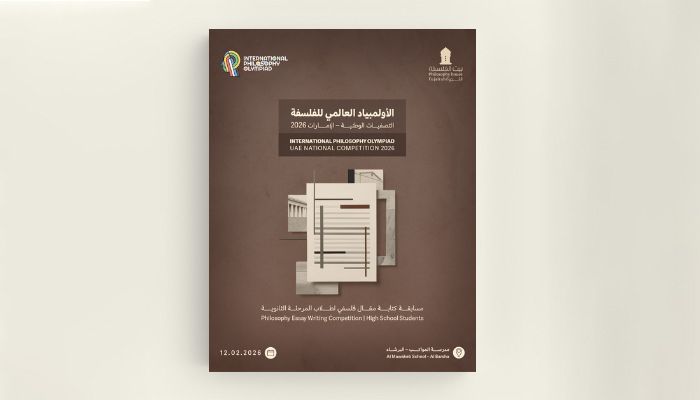
إنطلاق التصفيات الوطنية للأولمبياد العالمي للفلسفة (IPO) 2026

يعلن بيت الفلسفة عن انطلاق التصفيات الوطنية للأولمبياد العالمي للفلسفة ( IPO) 2026
مسابقة كتابة مقال فلسفي لطالب المرحلة الثانوية، تتيح للمشاركين فرصة التفكير، الكتابة، والمنافسة على تمثيل دولة اإلمارات في
األولمبياد العالمي للفلسفة، حيث سيمثل الفائزان دولة الإمارات في الأولمبياد العالمي للفلسفة بمدينة وارسو – بولندا من 14–17 مايو 2026
�� الخميس، 12 فبراير 2026
⏰ 10:00 صبا ًحا – 1:00 ظهرا
�� مدرسة المواكب – فرع البرشاء
️�� لغة المسابقة: الإنجليزية أو الفرنسية
ًشروط المشاركة: طالب مرحلة ثانوية من أي جنسية بحد أقصى للعمر 20 عاما