
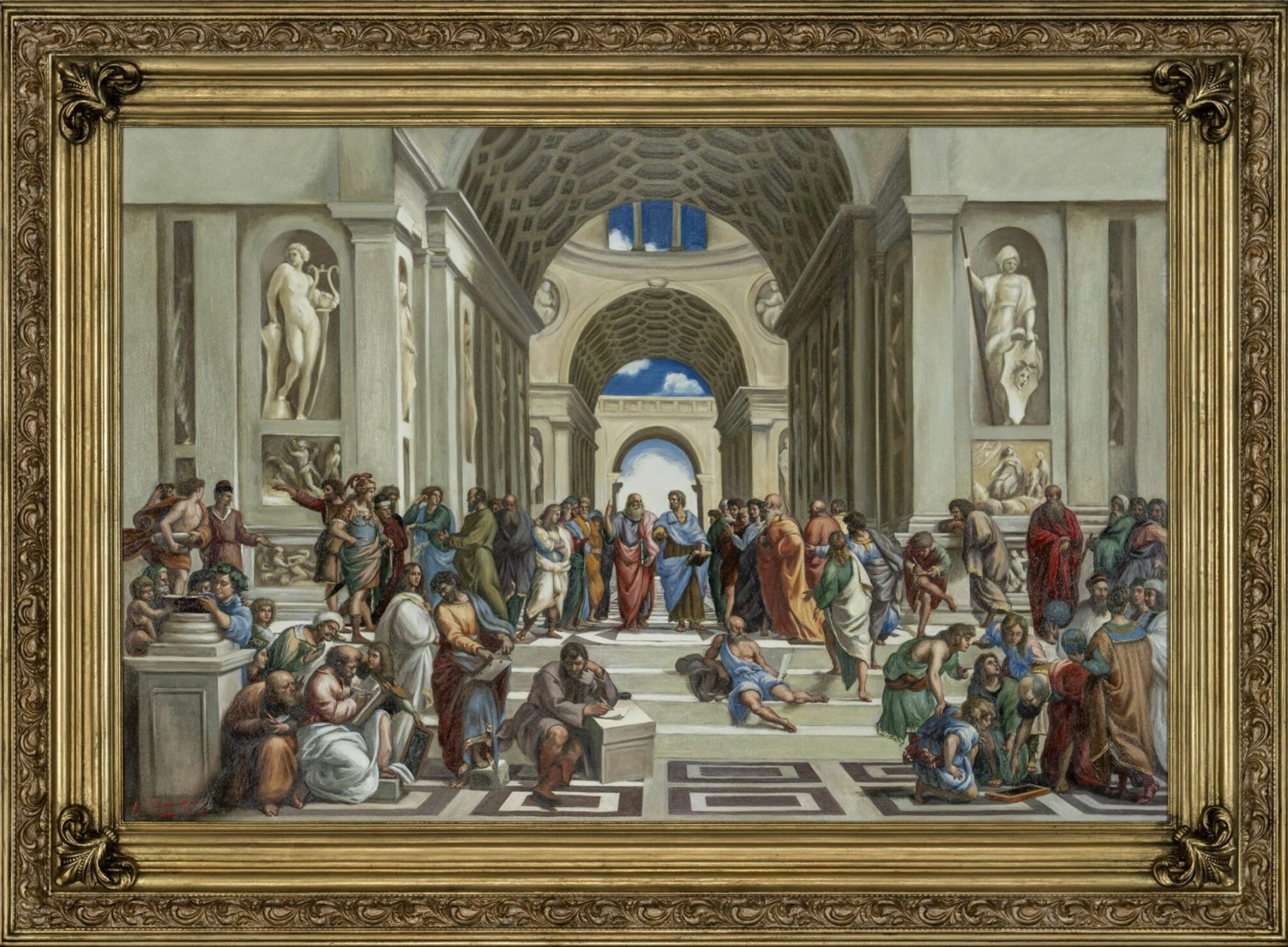
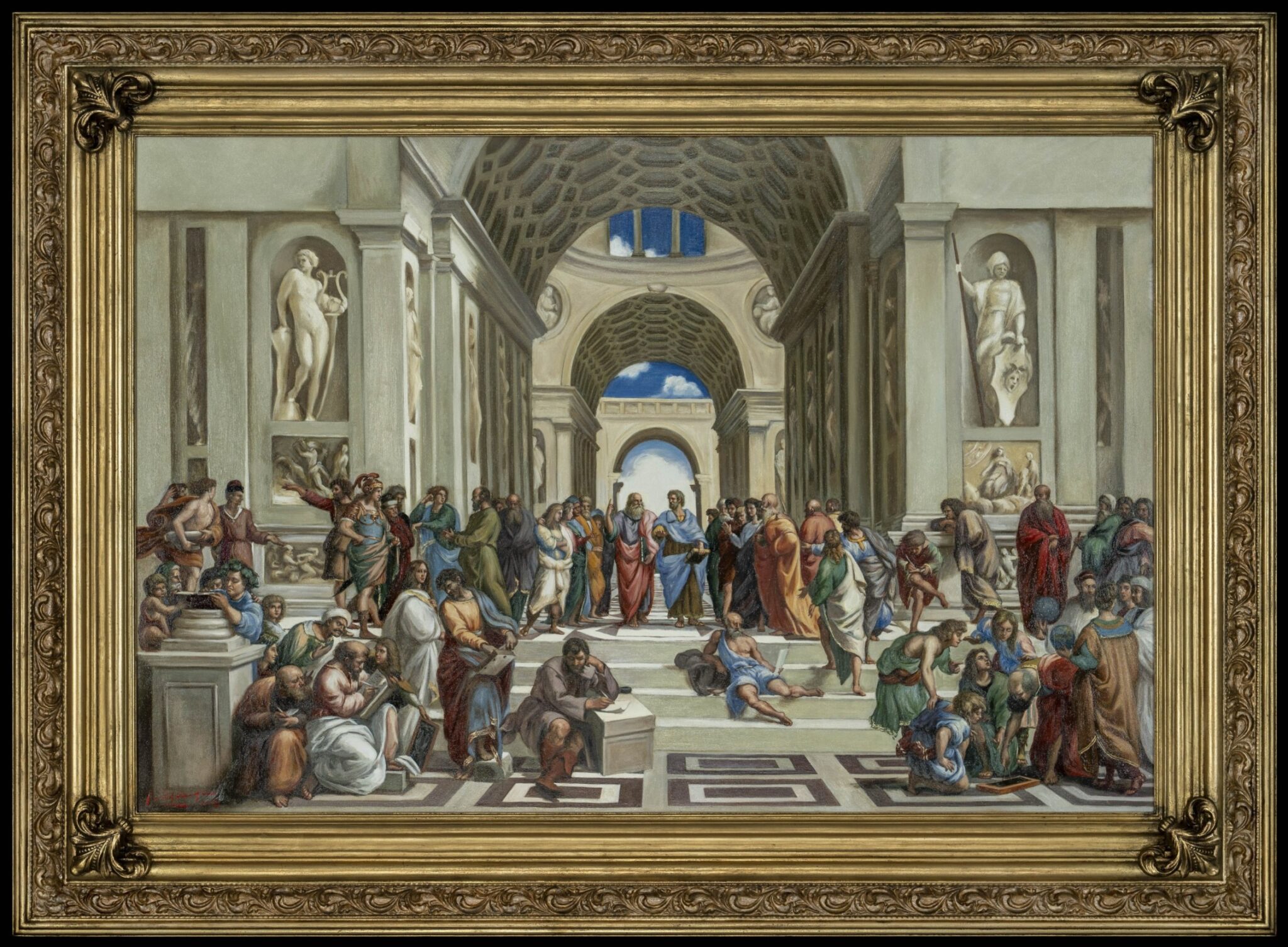
زينون الإيلي (490–430 ق.م)
فيلسوف يوناني من مدرسة إيليا الفلسفية،
عُرف بدفاعه عن أفكار بارمنيدس
المتعلقة بوحدة الوجود وثباته.
اشتهر بمفارقات زينون مثل مفارقة أخيل
والسلحفاة التي تهدف إلى إظهار التناقضات
المنطقية في مفهوم الحركة والتعدد.
فيلسوف يوناني من مدرسة إيليا الفلسفية،
عُرف بدفاعه عن أفكار بارمنيدس
المتعلقة بوحدة الوجود وثباته.
اشتهر بمفارقات زينون مثل مفارقة أخيل
والسلحفاة التي تهدف إلى إظهار التناقضات
المنطقية في مفهوم الحركة والتعدد.
ابن رشد (1126–1198م)
فيلسوف أندلسي اشتهر بشرحه لفلسفة أرسطو
والدفاع عن التوافق بين العقل والدين.
كان له تأثير كبير في الفكر الفلسفي
في العالمين الإسلامي والأوروبي.
فيلسوف أندلسي اشتهر بشرحه لفلسفة أرسطو
والدفاع عن التوافق بين العقل والدين.
كان له تأثير كبير في الفكر الفلسفي
في العالمين الإسلامي والأوروبي.
أيسخينيس (القرن الرابع ق.م)
فيلسوف يوناني من تلاميذ سقراط،
ارتبط اسمه بالتقليد السقراطي الذي ركّز على الأخلاق
والحوار الفلسفي ونقل أفكار سقراط عبر الحوارات.
فيلسوف يوناني من تلاميذ سقراط،
ارتبط اسمه بالتقليد السقراطي الذي ركّز على الأخلاق
والحوار الفلسفي ونقل أفكار سقراط عبر الحوارات.
أنتيستنيس (445–365 ق.م)
فيلسوف يوناني وتلميذ سقراط،
ويُعد من المؤسسين الأوائل للفلسفة الكلبية.
دعا إلى حياة الزهد والاستقلال عن الرغبات المادية,
مؤكدًا أن الفضيلة وحدها تحقق السعادة.
فيلسوف يوناني وتلميذ سقراط،
ويُعد من المؤسسين الأوائل للفلسفة الكلبية.
دعا إلى حياة الزهد والاستقلال عن الرغبات المادية,
مؤكدًا أن الفضيلة وحدها تحقق السعادة.
سقراط (469–399 ق.م)
فيلسوف يوناني يُعد من مؤسسي الفلسفة الأخلاقية في الغرب,
عُرف بالطريقة السقراطية القائمة على طرح الأسئلة
للوصول إلى المعرفة الحقيقية وكشف التناقضات الفكرية.
فيلسوف يوناني يُعد من مؤسسي الفلسفة الأخلاقية في الغرب,
عُرف بالطريقة السقراطية القائمة على طرح الأسئلة
للوصول إلى المعرفة الحقيقية وكشف التناقضات الفكرية.
إبيقور (341–270 ق.م)
فيلسوف يوناني أسس المدرسة الأبيقورية,
التي رأت أن السعادة تتحقق عبر الاعتدال والطمأنينة
والابتعاد عن الألم والخوف.
فيلسوف يوناني أسس المدرسة الأبيقورية,
التي رأت أن السعادة تتحقق عبر الاعتدال والطمأنينة
والابتعاد عن الألم والخوف.
أنكسيماندر (610–546 ق.م)
فيلسوف من مدرسة ميليتس اقترح أن أصل الكون
هو مادة لا نهائية سماها «الأبيرون»,
وهي المبدأ الأول الذي تنشأ منه جميع الأشياء.
فيلسوف من مدرسة ميليتس اقترح أن أصل الكون
هو مادة لا نهائية سماها «الأبيرون»,
وهي المبدأ الأول الذي تنشأ منه جميع الأشياء.
أنكساغوراس (500–428 ق.م)
فيلسوف يوناني قدّم مفهوم «العقل الكوني»,
بوصفه القوة المنظمة للكون,
والتي تمنح النظام والترتيب لجميع الموجودات.
فيلسوف يوناني قدّم مفهوم «العقل الكوني»,
بوصفه القوة المنظمة للكون,
والتي تمنح النظام والترتيب لجميع الموجودات.
فيثاغورس (570–495 ق.م)
فيلسوف ورياضي يوناني رأى أن الأعداد تمثل
البنية الأساسية للكون,
وأن النظام الكوني يمكن فهمه من خلال العلاقات الرياضية.
فيلسوف ورياضي يوناني رأى أن الأعداد تمثل
البنية الأساسية للكون,
وأن النظام الكوني يمكن فهمه من خلال العلاقات الرياضية.
هيباتيا (355–415م)
عالمة رياضيات وفيلسوفة من الإسكندرية,
وتُعد من أبرز النساء في تاريخ الفكر العلمي القديم,
عُرفت بتدريس الفلسفة والرياضيات.
عالمة رياضيات وفيلسوفة من الإسكندرية,
وتُعد من أبرز النساء في تاريخ الفكر العلمي القديم,
عُرفت بتدريس الفلسفة والرياضيات.
بارمنيدس (515–450 ق.م)
فيلسوف يوناني أكد أن الواقع الحقيقي ثابت وغير متغير,
وأن التغير الذي ندركه بالحواس ليس سوى وهم.
فيلسوف يوناني أكد أن الواقع الحقيقي ثابت وغير متغير,
وأن التغير الذي ندركه بالحواس ليس سوى وهم.
هيراقليطس (535–475 ق.م)
فيلسوف يوناني رأى أن الكون في حالة تغير دائم,
واشتهر بمقولته: «لا يمكنك أن تنزل النهر نفسه مرتين».
فيلسوف يوناني رأى أن الكون في حالة تغير دائم,
واشتهر بمقولته: «لا يمكنك أن تنزل النهر نفسه مرتين».
ديوجين (412–323 ق.م)
فيلسوف يوناني من المدرسة الكلبية دعا إلى حياة بسيطة
خالية من الترف الاجتماعي ورفض الأعراف المصطنعة.
فيلسوف يوناني من المدرسة الكلبية دعا إلى حياة بسيطة
خالية من الترف الاجتماعي ورفض الأعراف المصطنعة.
أفلاطون (427–347 ق.م)
فيلسوف يوناني وتلميذ سقراط,
مؤسس أكاديمية أثينا,
عُرف بنظرية المُثل التي ترى أن الحقيقة الكاملة
توجد في عالم الأفكار.
فيلسوف يوناني وتلميذ سقراط,
مؤسس أكاديمية أثينا,
عُرف بنظرية المُثل التي ترى أن الحقيقة الكاملة
توجد في عالم الأفكار.
أرسطو (384–322 ق.م)
فيلسوف وعالم يوناني وتلميذ أفلاطون,
قدّم إسهامات واسعة في المنطق والأخلاق
والعلوم الطبيعية واعتمد على الملاحظة والتجربة.
فيلسوف وعالم يوناني وتلميذ أفلاطون,
قدّم إسهامات واسعة في المنطق والأخلاق
والعلوم الطبيعية واعتمد على الملاحظة والتجربة.
أتباع المدرسة المشائية
مدرسة فلسفية ارتبطت بأرسطو وتلاميذه,
اعتمدت على التحليل المنطقي ودراسة الطبيعة
والمعرفة عبر الملاحظة والتفكير العقلي.
مدرسة فلسفية ارتبطت بأرسطو وتلاميذه,
اعتمدت على التحليل المنطقي ودراسة الطبيعة
والمعرفة عبر الملاحظة والتفكير العقلي.
أفلوطين (204–270م)
فيلسوف يوناني ومؤسس الفلسفة الأفلاطونية المحدثة,
قدّم تصورًا ميتافيزيقيًا يقوم على مبدأ «الواحد»
الذي تنبثق منه جميع الموجودات.
فيلسوف يوناني ومؤسس الفلسفة الأفلاطونية المحدثة,
قدّم تصورًا ميتافيزيقيًا يقوم على مبدأ «الواحد»
الذي تنبثق منه جميع الموجودات.
زرادشت (القرن السادس ق.م)
مفكر ديني من بلاد فارس القديمة ارتبط اسمه
بتأسيس الديانة الزرادشتية,
التي تقوم على فكرة الصراع الأخلاقي بين الخير والشر,
وتؤكد أهمية الاختيار الأخلاقي في حياة الإنسان.
مفكر ديني من بلاد فارس القديمة ارتبط اسمه
بتأسيس الديانة الزرادشتية,
التي تقوم على فكرة الصراع الأخلاقي بين الخير والشر,
وتؤكد أهمية الاختيار الأخلاقي في حياة الإنسان.
إقليدس (حوالي 300 ق.م)
عالِم رياضيات يوناني يُعرف بأب الهندسة
وصاحب كتاب «العناصر» الذي أصبح المرجع الأساسي
لدراسة الهندسة لقرون طويلة وأسّس منهج البرهان الرياضي.
عالِم رياضيات يوناني يُعرف بأب الهندسة
وصاحب كتاب «العناصر» الذي أصبح المرجع الأساسي
لدراسة الهندسة لقرون طويلة وأسّس منهج البرهان الرياضي.
بطليموس (100–170م)
عالِم فلك وجغرافيا يوناني-مصري وضع نموذج الكون,
الذي يضع الأرض في مركزه,
وكان لهذا النموذج تأثير كبير في علم الفلك
لعدة قرون.
عالِم فلك وجغرافيا يوناني-مصري وضع نموذج الكون,
الذي يضع الأرض في مركزه,
وكان لهذا النموذج تأثير كبير في علم الفلك
لعدة قرون.
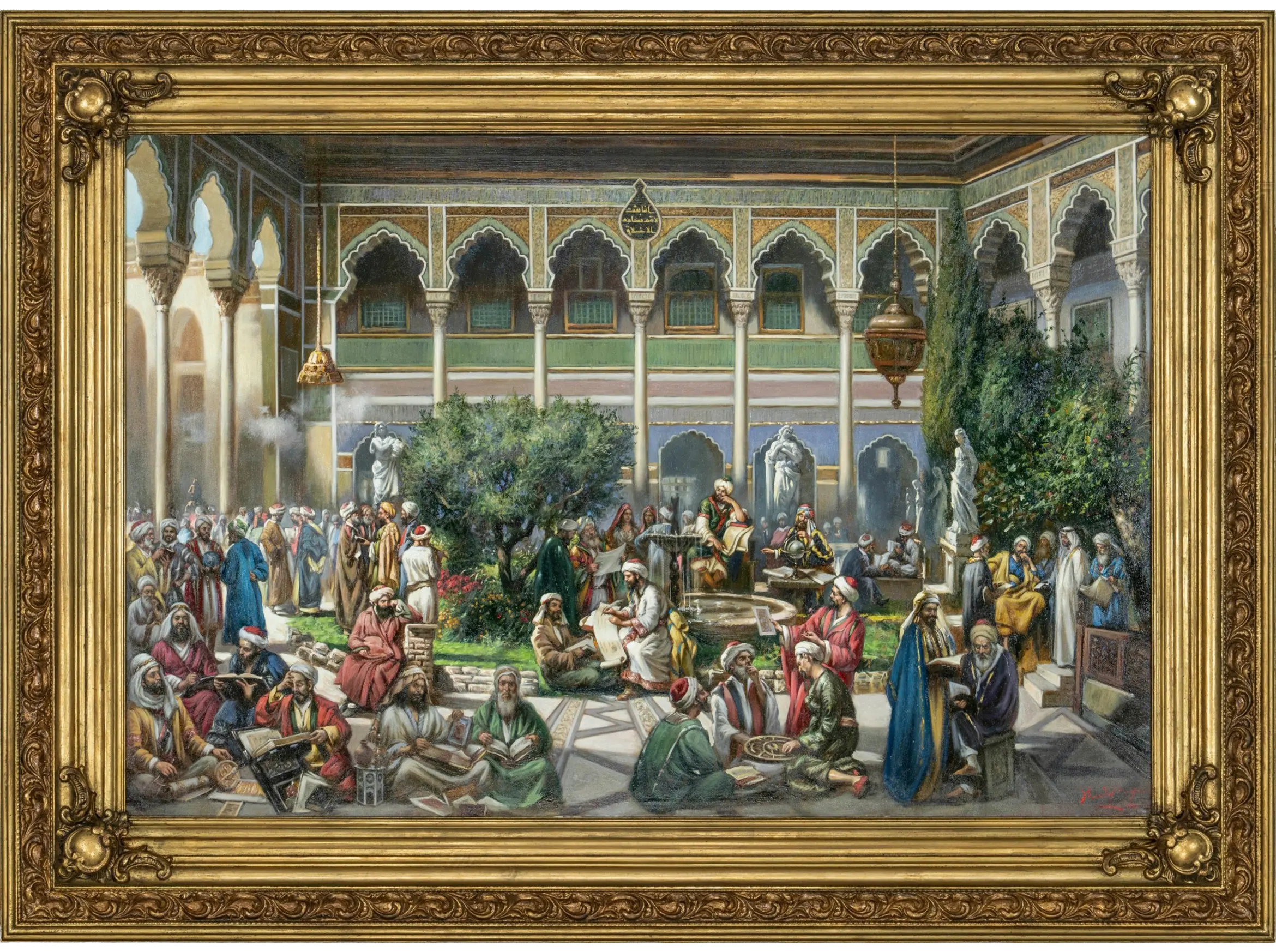
أبو بكر الرازي (864–925م)
طبيب وفيلسوف وعالِم مسلم من الريّ في فارس،
ويُعد من أبرز أعلام العصر الذهبي الإسلامي. اشتهر بإسهاماته
الرائدة في الطب السريري، واعتماده على الملاحظة والتجربة
في التشخيص والعلاج. وإلى جانب الطب، كتب في الفلسفة والمنطق وعلوم أخرى،
مؤكّدًا مكانته كأحد الروّاد المؤثرين في تاريخ العلوم الطبية.
طبيب وفيلسوف وعالِم مسلم من الريّ في فارس،
ويُعد من أبرز أعلام العصر الذهبي الإسلامي. اشتهر بإسهاماته
الرائدة في الطب السريري، واعتماده على الملاحظة والتجربة
في التشخيص والعلاج. وإلى جانب الطب، كتب في الفلسفة والمنطق وعلوم أخرى،
مؤكّدًا مكانته كأحد الروّاد المؤثرين في تاريخ العلوم الطبية.
يحيى بن عدي (893–974م)
فيلسوف ومنطقي بارز، عاش في تكريت بالعراق،
ويُعد من أعلام الفلسفة العقلية في القرن الرابع الهجري. اشتُهر بدوره المحوري في نقل الفلسفة اليونانية إلى العربية،
إذ ترك ترجمات وأعمالًا مؤثرة أسست لدراسة المنطق في الوسط الفكري العباسي. وبوصفه مفكرًا مسيحيًا متشبعًا بالفلسفة الأرسطية،
وظّف العقل والمنهج الفلسفي في تناول القضايا اللاهوتية، مجسّدًا روح التعدّدية الفكرية في عصره.
فيلسوف ومنطقي بارز، عاش في تكريت بالعراق،
ويُعد من أعلام الفلسفة العقلية في القرن الرابع الهجري. اشتُهر بدوره المحوري في نقل الفلسفة اليونانية إلى العربية،
إذ ترك ترجمات وأعمالًا مؤثرة أسست لدراسة المنطق في الوسط الفكري العباسي. وبوصفه مفكرًا مسيحيًا متشبعًا بالفلسفة الأرسطية،
وظّف العقل والمنهج الفلسفي في تناول القضايا اللاهوتية، مجسّدًا روح التعدّدية الفكرية في عصره.
ابن البيطار (1197–1248م)
طبيب ونباتي وصيدلاني أندلسي، يُعد من أبرز علماء العقاقير في العصور الوسطى. تميّز بجمعه المنهجي للمعرفة الطبية والنباتية،
موثّقًا مئات المواد الدوائية المستعملة في عصره. ويُعد كتابه "الجامع لمفردات الأدوية والأغذية" من أهم المراجع في تاريخ الصيدلة والطب النباتي.
طبيب ونباتي وصيدلاني أندلسي، يُعد من أبرز علماء العقاقير في العصور الوسطى. تميّز بجمعه المنهجي للمعرفة الطبية والنباتية،
موثّقًا مئات المواد الدوائية المستعملة في عصره. ويُعد كتابه "الجامع لمفردات الأدوية والأغذية" من أهم المراجع في تاريخ الصيدلة والطب النباتي.
البَتّاني (858–929م)
عالِم فلك ورياضيات عربي يعد من أبرز أعلام العلوم في العصر العباسي. عاش وعمل في الرَّقّة،
وأسهم في تحسين قياسات السنة والفصول وتصحيح بعض معطيات الفلك البطلمي. يُعد كتابه "الزيج الصابئ" من أهم الأعمال الفلكية في العصور الوسطى،
وكان له تأثير واضح في تطوّر علم الفلك لاحقًا.
عالِم فلك ورياضيات عربي يعد من أبرز أعلام العلوم في العصر العباسي. عاش وعمل في الرَّقّة،
وأسهم في تحسين قياسات السنة والفصول وتصحيح بعض معطيات الفلك البطلمي. يُعد كتابه "الزيج الصابئ" من أهم الأعمال الفلكية في العصور الوسطى،
وكان له تأثير واضح في تطوّر علم الفلك لاحقًا.
الفارابي (872–951م)
فيلسوف مسلم من أعلام الفكر العقلي في العصر العباسي، عُرف بلقب «المعلّم الثاني» بعد أرسطو. أسهم في تطوير الفلسفة اليونانية وشرحها،
ووسّع آفاقها في مجالات المنطق والميتافيزيقا والفلسفة السياسية. وفي كتابه «آراء أهل المدينة الفاضلة» قدّم تصورًا فلسفيًا للمجتمع القائم على العقل والفضيلة والنظام.
فيلسوف مسلم من أعلام الفكر العقلي في العصر العباسي، عُرف بلقب «المعلّم الثاني» بعد أرسطو. أسهم في تطوير الفلسفة اليونانية وشرحها،
ووسّع آفاقها في مجالات المنطق والميتافيزيقا والفلسفة السياسية. وفي كتابه «آراء أهل المدينة الفاضلة» قدّم تصورًا فلسفيًا للمجتمع القائم على العقل والفضيلة والنظام.
أبو حامد الغزالي (1058–1111م)
عالِم ومفكّر مسلم، وُلد في طوس وعمل في بغداد، واشتهر بنقده للفلسفة العقلية المتأثرة بالتراث اليوناني. في كتابه "تهافت الفلاسفة" ناقش أطروحات فلاسفة مثل ابن سينا والفارابي،
معترضًا على اعتماد العقل الفلسفي في قضايا ميتافيزيقية تتعلّق بالإله والخلق والآخرة. أثار هذا النقد واحدًا من أهم الحوارات الفكرية في تاريخ الفلسفة الإسلامية حول حدود العقل وعلاقته بالوحي.
عالِم ومفكّر مسلم، وُلد في طوس وعمل في بغداد، واشتهر بنقده للفلسفة العقلية المتأثرة بالتراث اليوناني. في كتابه "تهافت الفلاسفة" ناقش أطروحات فلاسفة مثل ابن سينا والفارابي،
معترضًا على اعتماد العقل الفلسفي في قضايا ميتافيزيقية تتعلّق بالإله والخلق والآخرة. أثار هذا النقد واحدًا من أهم الحوارات الفكرية في تاريخ الفلسفة الإسلامية حول حدود العقل وعلاقته بالوحي.
ابن الهيثم (965–1040م)
عالِم عربي في البصريات والرياضيات والفلك، ويُعد من أبرز روّاد المنهج العلمي التجريبي في تاريخ العلوم. اشتهر بكتابه «المناظر»،
الذي قدّم فيه تحليلًا منهجيًا للرؤية والضوء قائمًا على الملاحظة والتجربة. أسهمت أعماله في ترسيخ أسس علم البصريات، وكان لها تأثير عميق في تطوّر الفكر العلمي في أوروبا لاحقًا.
عالِم عربي في البصريات والرياضيات والفلك، ويُعد من أبرز روّاد المنهج العلمي التجريبي في تاريخ العلوم. اشتهر بكتابه «المناظر»،
الذي قدّم فيه تحليلًا منهجيًا للرؤية والضوء قائمًا على الملاحظة والتجربة. أسهمت أعماله في ترسيخ أسس علم البصريات، وكان لها تأثير عميق في تطوّر الفكر العلمي في أوروبا لاحقًا.
الكِندي (801–873م)
فيلسوف عربي موسوعي، ومن أوائل من أدخلوا الفلسفة العقلية إلى الفكر الإسلامي. نشأ في الكوفة وتلقّى علمه في بغداد، وارتبط اسمه ببيت الحكمة حيث أسهم في حركة ترجمة العلوم والفلسفة اليونانية إلى العربية. سعى في أعماله إلى التوفيق بين العقل الفلسفي والتراث العلمي،
وكتب في مجالات متعددة شملت الفلسفة والرياضيات والطب والموسيقى. ويُعدّ من الشخصيات المؤسسة للفكر الفلسفي العربي في العصر العباسي.
فيلسوف عربي موسوعي، ومن أوائل من أدخلوا الفلسفة العقلية إلى الفكر الإسلامي. نشأ في الكوفة وتلقّى علمه في بغداد، وارتبط اسمه ببيت الحكمة حيث أسهم في حركة ترجمة العلوم والفلسفة اليونانية إلى العربية. سعى في أعماله إلى التوفيق بين العقل الفلسفي والتراث العلمي،
وكتب في مجالات متعددة شملت الفلسفة والرياضيات والطب والموسيقى. ويُعدّ من الشخصيات المؤسسة للفكر الفلسفي العربي في العصر العباسي.
الخنساء (575–646م)
شاعرة عربية من أبرز أصوات الشعر في العصرين الجاهلي وبدايات الإسلام. اشتهرت بإتقان فن الرثاء، حيث عبّرت بقصائدها عن الفقد والحزن الإنساني بصدق وقوة لغوية لافتة. تميّز شعرها بالوضوح والعمق العاطفي، مما منحها مكانة رفيعة بين شعراء عصرها. وقد حُفظ شعرها لاحقًا بوصفه نموذجًا لفصاحة العربية وثرائها التعبيري.
شاعرة عربية من أبرز أصوات الشعر في العصرين الجاهلي وبدايات الإسلام. اشتهرت بإتقان فن الرثاء، حيث عبّرت بقصائدها عن الفقد والحزن الإنساني بصدق وقوة لغوية لافتة. تميّز شعرها بالوضوح والعمق العاطفي، مما منحها مكانة رفيعة بين شعراء عصرها. وقد حُفظ شعرها لاحقًا بوصفه نموذجًا لفصاحة العربية وثرائها التعبيري.
الخوارزمي (780–850م)
عالِم رياضيات وفلك وجغرافيا من خوارزم، ويُعد من أبرز أعلام العلوم في العصر العباسي. أسهم في ترسيخ علم الجبر من خلال كتابه «حساب الجبر والمقابلة»، وكان لعمله دور أساسي في انتقال الأرقام والنظم الحسابية إلى أوروبا. وارتبط اسمه بتطوير أساليب حسابية منهجية شكّلت أساسًا مهمًا في تاريخ الرياضيات.
عالِم رياضيات وفلك وجغرافيا من خوارزم، ويُعد من أبرز أعلام العلوم في العصر العباسي. أسهم في ترسيخ علم الجبر من خلال كتابه «حساب الجبر والمقابلة»، وكان لعمله دور أساسي في انتقال الأرقام والنظم الحسابية إلى أوروبا. وارتبط اسمه بتطوير أساليب حسابية منهجية شكّلت أساسًا مهمًا في تاريخ الرياضيات.
ولّادة بنت المستكفي (1001–1091م)
شاعرة أندلسية بارزة، وابنة الخليفة الأموي محمد الثالث في قرطبة. اشتهرت بثقافتها الرفيعة وحضورها الأدبي، وكانت من الأصوات النسائية المؤثرة في الشعر الأندلسي. أسست مجلسًا أدبيًا استقطب شعراء ومفكري عصرها، وأسهمت في نشر الشعر وتعليم الفنون الأدبية، مؤكدة حضور المرأة في المشهد الثقافي بالأندلس.
شاعرة أندلسية بارزة، وابنة الخليفة الأموي محمد الثالث في قرطبة. اشتهرت بثقافتها الرفيعة وحضورها الأدبي، وكانت من الأصوات النسائية المؤثرة في الشعر الأندلسي. أسست مجلسًا أدبيًا استقطب شعراء ومفكري عصرها، وأسهمت في نشر الشعر وتعليم الفنون الأدبية، مؤكدة حضور المرأة في المشهد الثقافي بالأندلس.
محيي الدين ابن عربي (1165–1240م)
مفكّر صوفي ومتصوّف وفيلسوف ميتافيزيقي، وُلد في الأندلس وتنقّل بين مراكز العلم في المشرق الإسلامي. لم ينتمِ إلى الفلسفة العقلانية الكلاسيكية، بل قدّم رؤية فكرية تقوم على التجربة الروحية والتأمل الوجودي. تُعد مؤلفاته، وعلى رأسها "فصوص الحكم" و"الفتوحات المكية"، من أعمق الأعمال في التصوف والفكر الميتافيزيقي الإسلامي.
مفكّر صوفي ومتصوّف وفيلسوف ميتافيزيقي، وُلد في الأندلس وتنقّل بين مراكز العلم في المشرق الإسلامي. لم ينتمِ إلى الفلسفة العقلانية الكلاسيكية، بل قدّم رؤية فكرية تقوم على التجربة الروحية والتأمل الوجودي. تُعد مؤلفاته، وعلى رأسها "فصوص الحكم" و"الفتوحات المكية"، من أعمق الأعمال في التصوف والفكر الميتافيزيقي الإسلامي.
ابن باجّة (حوالي 1085–1138م)
فيلسوف وطبيب وشاعر أندلسي، وُلد في سرقسطة وتوفّي في فاس. يُعد من أوائل ممثّلي الفلسفة العقلانية في الأندلس، وأسهم في ترسيخ الفكر الأرسطي ضمن السياق الإسلامي. تركّزت أعماله على العقل والنفس، مؤكّدًا دور التفكير العقلي في بلوغ الكمال الإنساني.
فيلسوف وطبيب وشاعر أندلسي، وُلد في سرقسطة وتوفّي في فاس. يُعد من أوائل ممثّلي الفلسفة العقلانية في الأندلس، وأسهم في ترسيخ الفكر الأرسطي ضمن السياق الإسلامي. تركّزت أعماله على العقل والنفس، مؤكّدًا دور التفكير العقلي في بلوغ الكمال الإنساني.
سعديا غاؤون (882–942م)
سعديا غاؤون، المعروف بسعيد الفيومي، حاخام ومفكّر ولغوي يهودي، عاش في العصر العباسي خلال ازدهار الحركة العلمية في المشرق الإسلامي. اشتهر بإسهاماته في اللسانيات العبرية، وترجمة النصوص الدينية إلى العربية، وصياغة الفكر اليهودي بلغة عقلانية واضحة. ومن خلال الحِجاج العقلي البسيط، أسهم في حفظ وحدة اليهودية ومنع انقسامها، جامعًا بين التراث العبري وأساليب التفكير الفلسفي الكلاسيكي يُمثّل عمله نموذجًا للتفاعل الخلّاق بين الثقافات في بيئة علمية متعددة الأديان.
سعديا غاؤون، المعروف بسعيد الفيومي، حاخام ومفكّر ولغوي يهودي، عاش في العصر العباسي خلال ازدهار الحركة العلمية في المشرق الإسلامي. اشتهر بإسهاماته في اللسانيات العبرية، وترجمة النصوص الدينية إلى العربية، وصياغة الفكر اليهودي بلغة عقلانية واضحة. ومن خلال الحِجاج العقلي البسيط، أسهم في حفظ وحدة اليهودية ومنع انقسامها، جامعًا بين التراث العبري وأساليب التفكير الفلسفي الكلاسيكي يُمثّل عمله نموذجًا للتفاعل الخلّاق بين الثقافات في بيئة علمية متعددة الأديان.
جابر بن حيّان (721–815م)
عالِم مسلم في الكيمياء والعلوم التطبيقية، يُعد من أبرز الأسماء في تاريخ الكيمياء في العصور المبكرة. ارتبط اسمه بتطوير المنهج التجريبي في دراسة المواد والتحولات الكيميائية، وأسهم في انتقال الكيمياء من الطابع الرمزي إلى الملاحظة والتجربة. أثّرت أعماله تأثيرًا واسعًا في تطوّر الكيمياء والصيدلة في العالمين الإسلامي والأوروبي لاحقًا.
عالِم مسلم في الكيمياء والعلوم التطبيقية، يُعد من أبرز الأسماء في تاريخ الكيمياء في العصور المبكرة. ارتبط اسمه بتطوير المنهج التجريبي في دراسة المواد والتحولات الكيميائية، وأسهم في انتقال الكيمياء من الطابع الرمزي إلى الملاحظة والتجربة. أثّرت أعماله تأثيرًا واسعًا في تطوّر الكيمياء والصيدلة في العالمين الإسلامي والأوروبي لاحقًا.
الشيخ محمد بن حمد الشرقي (مواليد 1986)
قائد ثقافي وراعٍ للفكر والمعرفة، يشغل منصب ولي عهد الفجيرة. يبرز حضوره في هذا العمل بوصفه نموذجًا معاصرًا لإحياء الفلسفة العربية، لا من خلال التنظير، بل عبر بناء مؤسسات حاضنة للفكر. من خلال بيت الفلسفة في الفجيرة، وعدد من المبادرات العلمية والأدبية والثقافية، أسهم في إعادة الفلسفة إلى المجال العام، باعتبارها ممارسة حية للحوار، والتفكير النقدي، وصناعة المعنى. في هذا السياق، يتحوّل دوره من راعٍ للثقافة إلى امتداد حديث لتقليد فلسفي عربي يرى في المعرفة فعلًا مجتمعيًا مستمرًا، لا إرثًا منغلقًا على الماضي.
قائد ثقافي وراعٍ للفكر والمعرفة، يشغل منصب ولي عهد الفجيرة. يبرز حضوره في هذا العمل بوصفه نموذجًا معاصرًا لإحياء الفلسفة العربية، لا من خلال التنظير، بل عبر بناء مؤسسات حاضنة للفكر. من خلال بيت الفلسفة في الفجيرة، وعدد من المبادرات العلمية والأدبية والثقافية، أسهم في إعادة الفلسفة إلى المجال العام، باعتبارها ممارسة حية للحوار، والتفكير النقدي، وصناعة المعنى. في هذا السياق، يتحوّل دوره من راعٍ للثقافة إلى امتداد حديث لتقليد فلسفي عربي يرى في المعرفة فعلًا مجتمعيًا مستمرًا، لا إرثًا منغلقًا على الماضي.
ابن خلدون (1332–1406)
مؤرّخ وفيلسوف، ويُعدّ من روّاد الفكر الاجتماعي، ومن أوائل من تناولوا المجتمع والتاريخ بوصفهما ظواهر يمكن فهمها عبر الملاحظة والتحليل المنهجي. قدّم الواقع الاجتماعي والتجربة التاريخية على التنظير المجرّد، فبحث في أسباب نشوء الدول وتحولها وسقوطها، كاشفًا عن القوى التي تحرّك العمران البشري.
ومن أبرز أفكاره مفهوم العَصَبيّة بوصفها الرابط الذي يمنح الجماعات قوّتها، ويدفع مسار التغيّر والتحوّل التاريخي. في فكره، يتحوّل التاريخ من سردٍ للأحداث إلى فهمٍ لبنية المجتمع وقوانينه.
مؤرّخ وفيلسوف، ويُعدّ من روّاد الفكر الاجتماعي، ومن أوائل من تناولوا المجتمع والتاريخ بوصفهما ظواهر يمكن فهمها عبر الملاحظة والتحليل المنهجي. قدّم الواقع الاجتماعي والتجربة التاريخية على التنظير المجرّد، فبحث في أسباب نشوء الدول وتحولها وسقوطها، كاشفًا عن القوى التي تحرّك العمران البشري.
ومن أبرز أفكاره مفهوم العَصَبيّة بوصفها الرابط الذي يمنح الجماعات قوّتها، ويدفع مسار التغيّر والتحوّل التاريخي. في فكره، يتحوّل التاريخ من سردٍ للأحداث إلى فهمٍ لبنية المجتمع وقوانينه.
ابن بطّوطة (1304–1369م)
رحّالة وعالِم مسلم من المغرب، يُعد من أعظم الرحّالة في التاريخ قبل العصر الحديث. امتدّت رحلاته لما يقارب ثلاثين عامًا، جاب خلالها أقاليم واسعة من العالم الإسلامي وما وراءه. دوّن مشاهداته في كتابه "الرحلة"، مقدّمًا وصفًا حيًّا للمجتمعات والثقافات والعادات التي التقاها عبر أسفاره.
رحّالة وعالِم مسلم من المغرب، يُعد من أعظم الرحّالة في التاريخ قبل العصر الحديث. امتدّت رحلاته لما يقارب ثلاثين عامًا، جاب خلالها أقاليم واسعة من العالم الإسلامي وما وراءه. دوّن مشاهداته في كتابه "الرحلة"، مقدّمًا وصفًا حيًّا للمجتمعات والثقافات والعادات التي التقاها عبر أسفاره.
ابن النفيس (1213–1288م)
طبيب وعالِم عربي من دمشق، يُعد من أبرز أعلام الطب في العصور الوسطى. اشتهر بوصفه الدقيق للدورة الدموية الصغرى الرئوية، مخالفًا النظريات الطبية السائدة منذ العصور اليونانية. أسهمت أعماله في تطوير علم التشريح والفيزيولوجيا، ويمثّل فكره نقلة نوعية في فهم الجسم البشري اعتمادًا على الملاحظة والتحليل.
طبيب وعالِم عربي من دمشق، يُعد من أبرز أعلام الطب في العصور الوسطى. اشتهر بوصفه الدقيق للدورة الدموية الصغرى الرئوية، مخالفًا النظريات الطبية السائدة منذ العصور اليونانية. أسهمت أعماله في تطوير علم التشريح والفيزيولوجيا، ويمثّل فكره نقلة نوعية في فهم الجسم البشري اعتمادًا على الملاحظة والتحليل.
ابن رشد (1126–1198م)
فيلسوف وقاضٍ وطبيب أندلسي، ويُعد من أبرز المفكرين العقلانيين في تاريخ الفلسفة الإسلامية. دافع في مؤلفاته عن انسجام العقل والفلسفة مع الدين، مؤكّدًا إمكانية التوافق بين الإيمان والمعرفة العقلية. اشتهر بشرحه الواسع لفلسفة أرسطو، وكان لأعماله أثر بالغ في تطوّر الفكر الفلسفي في أوروبا في العصور اللاحقة.
فيلسوف وقاضٍ وطبيب أندلسي، ويُعد من أبرز المفكرين العقلانيين في تاريخ الفلسفة الإسلامية. دافع في مؤلفاته عن انسجام العقل والفلسفة مع الدين، مؤكّدًا إمكانية التوافق بين الإيمان والمعرفة العقلية. اشتهر بشرحه الواسع لفلسفة أرسطو، وكان لأعماله أثر بالغ في تطوّر الفكر الفلسفي في أوروبا في العصور اللاحقة.
ابن زُهر (أبو مروان عبد الملك بن زُهر) (1091–1161م)
طبيب وجراح أندلسي بارز، وُلد في إشبيلية وعاش في عصر ازدهار الطب في الأندلس. تميّز بممارسته الطبية القائمة على الملاحظة السريرية والتجربة، وأسهم في تطوير الطب العملي والجراحة. وكان من المعاصرين لابن طفيل وابن رشد، ومثّل حلقة مهمة في تقاليد الطب الأندلسي.
طبيب وجراح أندلسي بارز، وُلد في إشبيلية وعاش في عصر ازدهار الطب في الأندلس. تميّز بممارسته الطبية القائمة على الملاحظة السريرية والتجربة، وأسهم في تطوير الطب العملي والجراحة. وكان من المعاصرين لابن طفيل وابن رشد، ومثّل حلقة مهمة في تقاليد الطب الأندلسي.
إبراهيم النَّظّام (775–845م)
متكلّم ومفكّر معتزلي من البصرة، يُعد من أبرز العقول العقلانية في العصر العباسي. اشتهر بطرحه النقدي في علم الكلام، واعتماده الصارم على العقل في تناول القضايا الدينية. ترك أثرًا فكريًا عميقًا رغم ضياع معظم مؤلفاته، ويُذكر بوصفه شخصية إشكالية ومجدِّدة في تاريخ الفكر الإسلامي المبكر.
متكلّم ومفكّر معتزلي من البصرة، يُعد من أبرز العقول العقلانية في العصر العباسي. اشتهر بطرحه النقدي في علم الكلام، واعتماده الصارم على العقل في تناول القضايا الدينية. ترك أثرًا فكريًا عميقًا رغم ضياع معظم مؤلفاته، ويُذكر بوصفه شخصية إشكالية ومجدِّدة في تاريخ الفكر الإسلامي المبكر.
ابن سينا (980–1037م)
فيلسوف وطبيب وعالِم موسوعي، ويُعد من أبرز مفكري العصر الذهبي الإسلامي. اشتهر بمؤلفاته في الطب والفلسفة، وعلى رأسها "القانون في الطب" الذي ظل مرجعًا طبيًا أساسيًا لقرون. تميّز فكره بالمنهج العقلي والتحليل المنهجي، وامتد تأثير أعماله إلى الفكر العلمي والفلسفي في أوروبا لاحقًا.
فيلسوف وطبيب وعالِم موسوعي، ويُعد من أبرز مفكري العصر الذهبي الإسلامي. اشتهر بمؤلفاته في الطب والفلسفة، وعلى رأسها "القانون في الطب" الذي ظل مرجعًا طبيًا أساسيًا لقرون. تميّز فكره بالمنهج العقلي والتحليل المنهجي، وامتد تأثير أعماله إلى الفكر العلمي والفلسفي في أوروبا لاحقًا.
نصير الدين الطوسي (1201–1274م)
عالِم وفيلسوف ورياضي وفلكي من أبرز مفكري العصر الإسلامي الوسيط. أسهم في تطوير علم الفلك من خلال نماذج وحسابات دقيقة لحركة الكواكب، ووجّه نقدًا منهجيًا للفلك البطلمي. وكان لعمله في علم المثلثات دور تأسيسي في ترسيخه كفرع رياضي مستقل، إلى جانب إسهاماته في المنطق والعلوم الطبيعية.
عالِم وفيلسوف ورياضي وفلكي من أبرز مفكري العصر الإسلامي الوسيط. أسهم في تطوير علم الفلك من خلال نماذج وحسابات دقيقة لحركة الكواكب، ووجّه نقدًا منهجيًا للفلك البطلمي. وكان لعمله في علم المثلثات دور تأسيسي في ترسيخه كفرع رياضي مستقل، إلى جانب إسهاماته في المنطق والعلوم الطبيعية.
جلال الدين الرومي (1207–1273م)
شاعر صوفي ومفكّر روحي، وُلد في بلخ واستقر لاحقًا في قونية خلال العصر السلجوقي. لم يكن فيلسوفًا عقلانيًا بالمعنى الكلاسيكي، بل قدّم رؤية فلسفية عميقة من خلال التجربة الروحية والشعر. اتّخذ الناي في شعره رمزًا للصوت الإنساني المشتاق إلى أصله، فجعل من الموسيقى والإنشاد طريقًا للتأمل والمعرفة. في أعماله، يتحوّل السؤال الفلسفي إلى بحث داخلي عن المعنى، والحب، والوجود.
شاعر صوفي ومفكّر روحي، وُلد في بلخ واستقر لاحقًا في قونية خلال العصر السلجوقي. لم يكن فيلسوفًا عقلانيًا بالمعنى الكلاسيكي، بل قدّم رؤية فلسفية عميقة من خلال التجربة الروحية والشعر. اتّخذ الناي في شعره رمزًا للصوت الإنساني المشتاق إلى أصله، فجعل من الموسيقى والإنشاد طريقًا للتأمل والمعرفة. في أعماله، يتحوّل السؤال الفلسفي إلى بحث داخلي عن المعنى، والحب، والوجود.
السهروردي (1154–1191م)
فيلسوف إيراني ومؤسس مدرسة الإشراق في الفلسفة الإسلامية. قدّم رؤية ميتافيزيقية تمزج بين الفكر الأفلاطوني والتأمل الروحي، مؤكدًا المعرفة بوصفها نورًا وإشراقًا. تُعد كتاباته من الأعمال المؤثرة التي جمعت بين الفلسفة والتصوف ضمن إطار فكري متكامل.
فيلسوف إيراني ومؤسس مدرسة الإشراق في الفلسفة الإسلامية. قدّم رؤية ميتافيزيقية تمزج بين الفكر الأفلاطوني والتأمل الروحي، مؤكدًا المعرفة بوصفها نورًا وإشراقًا. تُعد كتاباته من الأعمال المؤثرة التي جمعت بين الفلسفة والتصوف ضمن إطار فكري متكامل.
ثابت بن قُرّة (826–901م)
عالِم رياضيات وفلك وطب ومترجم، عاش في بغداد في العصر العباسي. أسهم في تطوير الهندسة والجبر، وكان من أوائل من أعادوا النظر في الفلك البطلمي. وفي الميكانيكا، يُنسب إليه دور تأسيسي في علم السكونيات (الاستاتيكا)، إلى جانب مؤلفاته الطبية والفلسفية.
عالِم رياضيات وفلك وطب ومترجم، عاش في بغداد في العصر العباسي. أسهم في تطوير الهندسة والجبر، وكان من أوائل من أعادوا النظر في الفلك البطلمي. وفي الميكانيكا، يُنسب إليه دور تأسيسي في علم السكونيات (الاستاتيكا)، إلى جانب مؤلفاته الطبية والفلسفية.
ابن طفيل (1105–1185م)
فيلسوف وطبيب أندلسي، ويُعد من أبرز أعلام
الفكر الفلسفي في عصر الدولة الموحّدية. اشتهر
بعمله "حيّ بن يقظان"، وهو نص فلسفي
رمزي يستكشف قدرة العقل الإنساني على بلوغ
المعرفة من خلال التأمل والتجربة، بعيدًا عن
المجتمع والتلقين. في فكره، يلتقي العقل بالطبيعة،
ويتحوّل السؤال الفلسفي إلى رحلة داخلية نحو
المعرفة والوجود.
فيلسوف وطبيب أندلسي، ويُعد من أبرز أعلام
الفكر الفلسفي في عصر الدولة الموحّدية. اشتهر
بعمله "حيّ بن يقظان"، وهو نص فلسفي
رمزي يستكشف قدرة العقل الإنساني على بلوغ
المعرفة من خلال التأمل والتجربة، بعيدًا عن
المجتمع والتلقين. في فكره، يلتقي العقل بالطبيعة،
ويتحوّل السؤال الفلسفي إلى رحلة داخلية نحو
المعرفة والوجود.
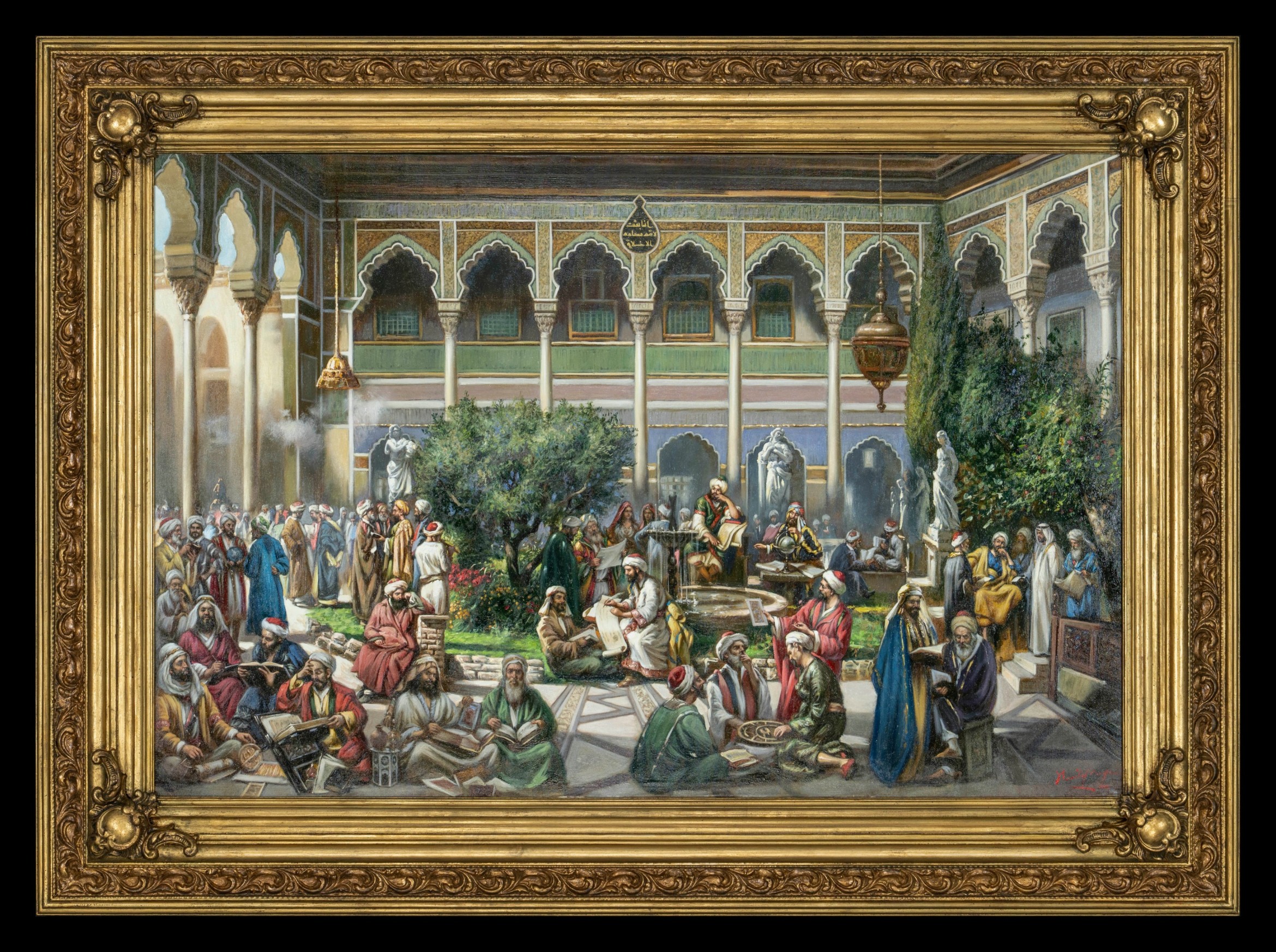
أبو بكر الرازي (864–925م)
Abu Bakr al-Razi (864–925 CE)
طبيب وفيلسوف وعالِم مسلم من الريّ في فارس،
ويُعد من أبرز أعلام العصر الذهبي الإسلامي. اشتهر بإسهاماته
الرائدة في الطب السريري، واعتماده على الملاحظة والتجربة
في التشخيص والعلاج. وإلى جانب الطب، كتب في الفلسفة والمنطق وعلوم أخرى،
مؤكّدًا مكانته كأحد الروّاد المؤثرين في تاريخ العلوم الطبية.
A Persian physician, philosopher,
and scientist from Rayy,
Persia, Abu Bakr al-Razi
was one of the most
influential figures of the Islamic
Golden Age. He is renowned
for his emphasis on clinical
observation and empirical medical practice.
Beyond medicine, he wrote on
philosophy, logic, and other sciences,
leaving a lasting impact on scientific thought.
Abu Bakr al-Razi (864–925 CE)
طبيب وفيلسوف وعالِم مسلم من الريّ في فارس،
ويُعد من أبرز أعلام العصر الذهبي الإسلامي. اشتهر بإسهاماته
الرائدة في الطب السريري، واعتماده على الملاحظة والتجربة
في التشخيص والعلاج. وإلى جانب الطب، كتب في الفلسفة والمنطق وعلوم أخرى،
مؤكّدًا مكانته كأحد الروّاد المؤثرين في تاريخ العلوم الطبية.
A Persian physician, philosopher,
and scientist from Rayy,
Persia, Abu Bakr al-Razi
was one of the most
influential figures of the Islamic
Golden Age. He is renowned
for his emphasis on clinical
observation and empirical medical practice.
Beyond medicine, he wrote on
philosophy, logic, and other sciences,
leaving a lasting impact on scientific thought.
يحيى بن عدي (893–974م)
Yahya ibn ʿAdi (893–974 CE)
فيلسوف ومنطقي بارز، عاش في تكريت بالعراق،
ويُعد من أعلام الفلسفة العقلية في القرن الرابع الهجري. اشتُهر بدوره المحوري في نقل الفلسفة اليونانية إلى العربية،
إذ ترك ترجمات وأعمالًا مؤثرة أسست لدراسة المنطق في الوسط الفكري العباسي. وبوصفه مفكرًا مسيحيًا متشبعًا بالفلسفة الأرسطية،
وظّف العقل والمنهج الفلسفي في تناول القضايا اللاهوتية، مجسّدًا روح التعدّدية الفكرية في عصره.
A philosopher, logician, and translator
born in Tikrit and active
in Baghdad, Yahya ibn ʿAdi
was a leading figure of tenth-century
Arabic philosophy. He played a key role
in transmitting Greek philosophy into Arabic,
producing influential translations and works
that shaped the study of logic.
A Christian thinker trained in Aristotelian philosophy,
he applied rational methods to theological questions,
exemplifying the intellectual pluralism of the Abbasid world.
Yahya ibn ʿAdi (893–974 CE)
فيلسوف ومنطقي بارز، عاش في تكريت بالعراق،
ويُعد من أعلام الفلسفة العقلية في القرن الرابع الهجري. اشتُهر بدوره المحوري في نقل الفلسفة اليونانية إلى العربية،
إذ ترك ترجمات وأعمالًا مؤثرة أسست لدراسة المنطق في الوسط الفكري العباسي. وبوصفه مفكرًا مسيحيًا متشبعًا بالفلسفة الأرسطية،
وظّف العقل والمنهج الفلسفي في تناول القضايا اللاهوتية، مجسّدًا روح التعدّدية الفكرية في عصره.
A philosopher, logician, and translator
born in Tikrit and active
in Baghdad, Yahya ibn ʿAdi
was a leading figure of tenth-century
Arabic philosophy. He played a key role
in transmitting Greek philosophy into Arabic,
producing influential translations and works
that shaped the study of logic.
A Christian thinker trained in Aristotelian philosophy,
he applied rational methods to theological questions,
exemplifying the intellectual pluralism of the Abbasid world.
ابن البيطار (1197–1248م)
Ibn al-Bayṭar (1197–1248 CE)
طبيب ونباتي وصيدلاني أندلسي، يُعد من أبرز علماء العقاقير في العصور الوسطى. تميّز بجمعه المنهجي للمعرفة الطبية والنباتية،
موثّقًا مئات المواد الدوائية المستعملة في عصره. ويُعد كتابه "الجامع لمفردات الأدوية والأغذية" من أهم المراجع في تاريخ الصيدلة والطب النباتي.
An Andalusian physician, botanist,
and pharmacologist, Ibn al-Bayṭar was
one of the leading authorities on medicinal substances
in the medieval period. He is known
for his systematic compilation of medical and botanical knowledge,
documenting hundreds of therapeutic substances.
His Compendium on Simple Medicaments and Foods remains
a landmark work in the history of pharmacology and botanical medicine.
Ibn al-Bayṭar (1197–1248 CE)
طبيب ونباتي وصيدلاني أندلسي، يُعد من أبرز علماء العقاقير في العصور الوسطى. تميّز بجمعه المنهجي للمعرفة الطبية والنباتية،
موثّقًا مئات المواد الدوائية المستعملة في عصره. ويُعد كتابه "الجامع لمفردات الأدوية والأغذية" من أهم المراجع في تاريخ الصيدلة والطب النباتي.
An Andalusian physician, botanist,
and pharmacologist, Ibn al-Bayṭar was
one of the leading authorities on medicinal substances
in the medieval period. He is known
for his systematic compilation of medical and botanical knowledge,
documenting hundreds of therapeutic substances.
His Compendium on Simple Medicaments and Foods remains
a landmark work in the history of pharmacology and botanical medicine.
البَتّاني (858–929م)
Al-Battani (858–929 CE)
عالِم فلك ورياضيات عربي يعد من أبرز أعلام العلوم في العصر العباسي. عاش وعمل في الرَّقّة،
وأسهم في تحسين قياسات السنة والفصول وتصحيح بعض معطيات الفلك البطلمي. يُعد كتابه "الزيج الصابئ" من أهم الأعمال الفلكية في العصور الوسطى،
وكان له تأثير واضح في تطوّر علم الفلك لاحقًا.
An Arab astronomer and mathematician,
Al-Battani was a major figure
in medieval astronomy. Working primarily in Raqqa,
he refined astronomical measurements and corrected elements
of Ptolemaic astronomy. His Zij al-Ṣabiʾ became
an important reference in the history of astronomy
and influenced later scientific developments.
Al-Battani (858–929 CE)
عالِم فلك ورياضيات عربي يعد من أبرز أعلام العلوم في العصر العباسي. عاش وعمل في الرَّقّة،
وأسهم في تحسين قياسات السنة والفصول وتصحيح بعض معطيات الفلك البطلمي. يُعد كتابه "الزيج الصابئ" من أهم الأعمال الفلكية في العصور الوسطى،
وكان له تأثير واضح في تطوّر علم الفلك لاحقًا.
An Arab astronomer and mathematician,
Al-Battani was a major figure
in medieval astronomy. Working primarily in Raqqa,
he refined astronomical measurements and corrected elements
of Ptolemaic astronomy. His Zij al-Ṣabiʾ became
an important reference in the history of astronomy
and influenced later scientific developments.
الفارابي (872–951م)
Al-Farabi (872–951 CE)
فيلسوف مسلم من أعلام الفكر العقلي في العصر العباسي، عُرف بلقب «المعلّم الثاني» بعد أرسطو. أسهم في تطوير الفلسفة اليونانية وشرحها،
ووسّع آفاقها في مجالات المنطق والميتافيزيقا والفلسفة السياسية. وفي كتابه «آراء أهل المدينة الفاضلة» قدّم تصورًا فلسفيًا للمجتمع القائم على العقل والفضيلة والنظام.
A major philosopher of the Abbasid period,
Al-Farabi was known as “the Second Teacher”
after Aristotle. He played a central role
in developing and interpreting Greek philosophy,
contributing to logic, metaphysics, and political philosophy.
In The Virtuous City, he articulated a philosophical vision
of an ideal society founded on reason, ethics, and intellectual order.
Al-Farabi (872–951 CE)
فيلسوف مسلم من أعلام الفكر العقلي في العصر العباسي، عُرف بلقب «المعلّم الثاني» بعد أرسطو. أسهم في تطوير الفلسفة اليونانية وشرحها،
ووسّع آفاقها في مجالات المنطق والميتافيزيقا والفلسفة السياسية. وفي كتابه «آراء أهل المدينة الفاضلة» قدّم تصورًا فلسفيًا للمجتمع القائم على العقل والفضيلة والنظام.
A major philosopher of the Abbasid period,
Al-Farabi was known as “the Second Teacher”
after Aristotle. He played a central role
in developing and interpreting Greek philosophy,
contributing to logic, metaphysics, and political philosophy.
In The Virtuous City, he articulated a philosophical vision
of an ideal society founded on reason, ethics, and intellectual order.
أبو حامد الغزالي (1058–1111م)
Al-Ghazali (1058–1111 CE)
عالِم ومفكّر مسلم، وُلد في طوس وعمل في بغداد، واشتهر بنقده للفلسفة العقلية المتأثرة بالتراث اليوناني. في كتابه "تهافت الفلاسفة" ناقش أطروحات فلاسفة مثل ابن سينا والفارابي،
معترضًا على اعتماد العقل الفلسفي في قضايا ميتافيزيقية تتعلّق بالإله والخلق والآخرة. أثار هذا النقد واحدًا من أهم الحوارات الفكرية في تاريخ الفلسفة الإسلامية حول حدود العقل وعلاقته بالوحي.
A Muslim scholar and thinker,
born in Tus and active in Baghdad,
Al-Ghazali is best known for his critique of Greek-influenced philosophy.
In The Incoherence of the Philosophers,
he challenged key metaphysical positions held by thinkers such as Ibn Sina and Al-Farabi,
questioning the authority of philosophical reason in matters of divine truth.
His work sparked one of the most significant intellectual debates in Islamic philosophy
concerning the limits of reason and its relationship to revelation.
Al-Ghazali (1058–1111 CE)
عالِم ومفكّر مسلم، وُلد في طوس وعمل في بغداد، واشتهر بنقده للفلسفة العقلية المتأثرة بالتراث اليوناني. في كتابه "تهافت الفلاسفة" ناقش أطروحات فلاسفة مثل ابن سينا والفارابي،
معترضًا على اعتماد العقل الفلسفي في قضايا ميتافيزيقية تتعلّق بالإله والخلق والآخرة. أثار هذا النقد واحدًا من أهم الحوارات الفكرية في تاريخ الفلسفة الإسلامية حول حدود العقل وعلاقته بالوحي.
A Muslim scholar and thinker,
born in Tus and active in Baghdad,
Al-Ghazali is best known for his critique of Greek-influenced philosophy.
In The Incoherence of the Philosophers,
he challenged key metaphysical positions held by thinkers such as Ibn Sina and Al-Farabi,
questioning the authority of philosophical reason in matters of divine truth.
His work sparked one of the most significant intellectual debates in Islamic philosophy
concerning the limits of reason and its relationship to revelation.
ابن الهيثم (965–1040م)
Ibn al-Haytham (965–1040)
عالِم عربي في البصريات والرياضيات والفلك، ويُعد من أبرز روّاد المنهج العلمي التجريبي في تاريخ العلوم. اشتهر بكتابه «المناظر»،
الذي قدّم فيه تحليلًا منهجيًا للرؤية والضوء قائمًا على الملاحظة والتجربة. أسهمت أعماله في ترسيخ أسس علم البصريات، وكان لها تأثير عميق في تطوّر الفكر العلمي في أوروبا لاحقًا.
An Arab scientist in optics,
mathematics, and astronomy, Ibn al-Haytham was a pioneering figure
in the development of the experimental scientific method.
He is best known for Kitab al-Manaẓir (The Book of Optics),
in which he offered a systematic study of light and visual perception
based on observation and experimentation.
His work laid foundational principles of optics and exerted a lasting influence
on later scientific thought in Europe.
Ibn al-Haytham (965–1040)
عالِم عربي في البصريات والرياضيات والفلك، ويُعد من أبرز روّاد المنهج العلمي التجريبي في تاريخ العلوم. اشتهر بكتابه «المناظر»،
الذي قدّم فيه تحليلًا منهجيًا للرؤية والضوء قائمًا على الملاحظة والتجربة. أسهمت أعماله في ترسيخ أسس علم البصريات، وكان لها تأثير عميق في تطوّر الفكر العلمي في أوروبا لاحقًا.
An Arab scientist in optics,
mathematics, and astronomy, Ibn al-Haytham was a pioneering figure
in the development of the experimental scientific method.
He is best known for Kitab al-Manaẓir (The Book of Optics),
in which he offered a systematic study of light and visual perception
based on observation and experimentation.
His work laid foundational principles of optics and exerted a lasting influence
on later scientific thought in Europe.
الكِندي (801–873م)
Al-Kindi (801–873 CE)
فيلسوف عربي موسوعي، ومن أوائل من أدخلوا الفلسفة العقلية إلى الفكر الإسلامي. نشأ في الكوفة وتلقّى علمه في بغداد، وارتبط اسمه ببيت الحكمة حيث أسهم في حركة ترجمة العلوم والفلسفة اليونانية إلى العربية. سعى في أعماله إلى التوفيق بين العقل الفلسفي والتراث العلمي،
وكتب في مجالات متعددة شملت الفلسفة والرياضيات والطب والموسيقى. ويُعدّ من الشخصيات المؤسسة للفكر الفلسفي العربي في العصر العباسي.
An Arab philosopher and polymath,
Al-Kindi was among the earliest figures to introduce systematic philosophical thought
into the Islamic world. Born in Kufa and educated in Baghdad,
he was closely associated with the House of Wisdom
and contributed to the translation of Greek scientific and philosophical works into Arabic.
Through his writings, he sought to harmonize reason and inherited knowledge,
producing works across philosophy, mathematics, medicine, and music.
He is widely regarded as a foundational figure of Arabic philosophy during the Abbasid period.
Al-Kindi (801–873 CE)
فيلسوف عربي موسوعي، ومن أوائل من أدخلوا الفلسفة العقلية إلى الفكر الإسلامي. نشأ في الكوفة وتلقّى علمه في بغداد، وارتبط اسمه ببيت الحكمة حيث أسهم في حركة ترجمة العلوم والفلسفة اليونانية إلى العربية. سعى في أعماله إلى التوفيق بين العقل الفلسفي والتراث العلمي،
وكتب في مجالات متعددة شملت الفلسفة والرياضيات والطب والموسيقى. ويُعدّ من الشخصيات المؤسسة للفكر الفلسفي العربي في العصر العباسي.
An Arab philosopher and polymath,
Al-Kindi was among the earliest figures to introduce systematic philosophical thought
into the Islamic world. Born in Kufa and educated in Baghdad,
he was closely associated with the House of Wisdom
and contributed to the translation of Greek scientific and philosophical works into Arabic.
Through his writings, he sought to harmonize reason and inherited knowledge,
producing works across philosophy, mathematics, medicine, and music.
He is widely regarded as a foundational figure of Arabic philosophy during the Abbasid period.
الخنساء (575–646م)
Al-Khansaʾ (575–646 CE)
شاعرة عربية من أبرز أصوات الشعر في العصرين الجاهلي وبدايات الإسلام. اشتهرت بإتقان فن الرثاء، حيث عبّرت بقصائدها عن الفقد والحزن الإنساني بصدق وقوة لغوية لافتة. تميّز شعرها بالوضوح والعمق العاطفي، مما منحها مكانة رفيعة بين شعراء عصرها. وقد حُفظ شعرها لاحقًا بوصفه نموذجًا لفصاحة العربية وثرائها التعبيري.
An Arab poet and one of the most influential literary voices
of the pre-Islamic and early Islamic periods.
She is best known for her mastery of elegiac poetry,
expressing loss and grief with remarkable emotional clarity and linguistic strength.
Her poetry earned wide recognition in her lifetime
and distinguished her among the leading poets of her era.
Her verses were later preserved as exemplary models of early classical Arabic expressive clarity.
Al-Khansaʾ (575–646 CE)
شاعرة عربية من أبرز أصوات الشعر في العصرين الجاهلي وبدايات الإسلام. اشتهرت بإتقان فن الرثاء، حيث عبّرت بقصائدها عن الفقد والحزن الإنساني بصدق وقوة لغوية لافتة. تميّز شعرها بالوضوح والعمق العاطفي، مما منحها مكانة رفيعة بين شعراء عصرها. وقد حُفظ شعرها لاحقًا بوصفه نموذجًا لفصاحة العربية وثرائها التعبيري.
An Arab poet and one of the most influential literary voices
of the pre-Islamic and early Islamic periods.
She is best known for her mastery of elegiac poetry,
expressing loss and grief with remarkable emotional clarity and linguistic strength.
Her poetry earned wide recognition in her lifetime
and distinguished her among the leading poets of her era.
Her verses were later preserved as exemplary models of early classical Arabic expressive clarity.
الخوارزمي (780–850م)
Al-Khwarizmi (780–850 CE)
عالِم رياضيات وفلك وجغرافيا من خوارزم، ويُعد من أبرز أعلام العلوم في العصر العباسي. أسهم في ترسيخ علم الجبر من خلال كتابه «حساب الجبر والمقابلة»، وكان لعمله دور أساسي في انتقال الأرقام والنظم الحسابية إلى أوروبا. وارتبط اسمه بتطوير أساليب حسابية منهجية شكّلت أساسًا مهمًا في تاريخ الرياضيات.
A mathematician, astronomer, and geographer from Khwarazm,
Al-Khwarizmi was one of the most influential scientific figures of the Abbasid period.
His work Al-Jabr wa al-Muqabala laid the foundations of algebra
and played a key role in transmitting numerical and mathematical methods to Europe.
His systematic approach to calculation left a lasting imprint on the history of mathematics.
Al-Khwarizmi (780–850 CE)
عالِم رياضيات وفلك وجغرافيا من خوارزم، ويُعد من أبرز أعلام العلوم في العصر العباسي. أسهم في ترسيخ علم الجبر من خلال كتابه «حساب الجبر والمقابلة»، وكان لعمله دور أساسي في انتقال الأرقام والنظم الحسابية إلى أوروبا. وارتبط اسمه بتطوير أساليب حسابية منهجية شكّلت أساسًا مهمًا في تاريخ الرياضيات.
A mathematician, astronomer, and geographer from Khwarazm,
Al-Khwarizmi was one of the most influential scientific figures of the Abbasid period.
His work Al-Jabr wa al-Muqabala laid the foundations of algebra
and played a key role in transmitting numerical and mathematical methods to Europe.
His systematic approach to calculation left a lasting imprint on the history of mathematics.
ولّادة بنت المستكفي (1001–1091م)
Wallada bint al-Mustakfi (1001–1091 CE)
شاعرة أندلسية بارزة، وابنة الخليفة الأموي محمد الثالث في قرطبة. اشتهرت بثقافتها الرفيعة وحضورها الأدبي، وكانت من الأصوات النسائية المؤثرة في الشعر الأندلسي. أسست مجلسًا أدبيًا استقطب شعراء ومفكري عصرها، وأسهمت في نشر الشعر وتعليم الفنون الأدبية، مؤكدة حضور المرأة في المشهد الثقافي بالأندلس.
An Andalusian poet and literary figure,
Wallada bint al-Mustakfi was the daughter of the Umayyad caliph Muhammad III of Córdoba.
Renowned for her intellect and poetic talent,
she was a prominent voice in Andalusian literature.
She hosted a celebrated literary salon that attracted leading poets and thinkers of her time,
playing a key role in shaping the cultural life of al-Andalus and affirming women’s participation in intellectual life.
Wallada bint al-Mustakfi (1001–1091 CE)
شاعرة أندلسية بارزة، وابنة الخليفة الأموي محمد الثالث في قرطبة. اشتهرت بثقافتها الرفيعة وحضورها الأدبي، وكانت من الأصوات النسائية المؤثرة في الشعر الأندلسي. أسست مجلسًا أدبيًا استقطب شعراء ومفكري عصرها، وأسهمت في نشر الشعر وتعليم الفنون الأدبية، مؤكدة حضور المرأة في المشهد الثقافي بالأندلس.
An Andalusian poet and literary figure,
Wallada bint al-Mustakfi was the daughter of the Umayyad caliph Muhammad III of Córdoba.
Renowned for her intellect and poetic talent,
she was a prominent voice in Andalusian literature.
She hosted a celebrated literary salon that attracted leading poets and thinkers of her time,
playing a key role in shaping the cultural life of al-Andalus and affirming women’s participation in intellectual life.
محيي الدين ابن عربي (1165–1240م)
Ibn Arabi (1165–1240 CE)
مفكّر صوفي ومتصوّف وفيلسوف ميتافيزيقي، وُلد في الأندلس وتنقّل بين مراكز العلم في المشرق الإسلامي. لم ينتمِ إلى الفلسفة العقلانية الكلاسيكية، بل قدّم رؤية فكرية تقوم على التجربة الروحية والتأمل الوجودي. تُعد مؤلفاته، وعلى رأسها "فصوص الحكم" و"الفتوحات المكية"، من أعمق الأعمال في التصوف والفكر الميتافيزيقي الإسلامي.
A Sufi thinker and metaphysical philosopher
born in al-Andalus, Ibn ʿArabi was one of the most influential figures in Islamic mystical thought.
Rather than a rational philosopher,
he articulated a philosophical vision grounded in spiritual experience and metaphysical reflection.
His major works, including Fuṣuṣ al-Ḥikam and al-Futuḥat al-Makkiyya,
are considered among the most profound texts of Islamic mysticism and metaphysics.
Ibn Arabi (1165–1240 CE)
مفكّر صوفي ومتصوّف وفيلسوف ميتافيزيقي، وُلد في الأندلس وتنقّل بين مراكز العلم في المشرق الإسلامي. لم ينتمِ إلى الفلسفة العقلانية الكلاسيكية، بل قدّم رؤية فكرية تقوم على التجربة الروحية والتأمل الوجودي. تُعد مؤلفاته، وعلى رأسها "فصوص الحكم" و"الفتوحات المكية"، من أعمق الأعمال في التصوف والفكر الميتافيزيقي الإسلامي.
A Sufi thinker and metaphysical philosopher
born in al-Andalus, Ibn ʿArabi was one of the most influential figures in Islamic mystical thought.
Rather than a rational philosopher,
he articulated a philosophical vision grounded in spiritual experience and metaphysical reflection.
His major works, including Fuṣuṣ al-Ḥikam and al-Futuḥat al-Makkiyya,
are considered among the most profound texts of Islamic mysticism and metaphysics.
ابن باجّة (حوالي 1085–1138م)
Ibn Bajjah (Avempace) (c.1085–1138 CE)
فيلسوف وطبيب وشاعر أندلسي، وُلد في سرقسطة وتوفّي في فاس. يُعد من أوائل ممثّلي الفلسفة العقلانية في الأندلس، وأسهم في ترسيخ الفكر الأرسطي ضمن السياق الإسلامي. تركّزت أعماله على العقل والنفس، مؤكّدًا دور التفكير العقلي في بلوغ الكمال الإنساني.
An Andalusian philosopher, physician, and poet,
born in Zaragoza and later active in the western Islamic world.
He was among the earliest proponents of Aristotelian philosophy in al-Andalus
and played a formative role in its development.
His thought centered on the intellect and the soul,
emphasizing rational understanding as the path to human perfection.
Ibn Bajjah (Avempace) (c.1085–1138 CE)
فيلسوف وطبيب وشاعر أندلسي، وُلد في سرقسطة وتوفّي في فاس. يُعد من أوائل ممثّلي الفلسفة العقلانية في الأندلس، وأسهم في ترسيخ الفكر الأرسطي ضمن السياق الإسلامي. تركّزت أعماله على العقل والنفس، مؤكّدًا دور التفكير العقلي في بلوغ الكمال الإنساني.
An Andalusian philosopher, physician, and poet,
born in Zaragoza and later active in the western Islamic world.
He was among the earliest proponents of Aristotelian philosophy in al-Andalus
and played a formative role in its development.
His thought centered on the intellect and the soul,
emphasizing rational understanding as the path to human perfection.
سعديا غاؤون (882–942م)
Saadia Gaon (882–942 CE)
سعديا غاؤون، المعروف بسعيد الفيومي، حاخام ومفكّر ولغوي يهودي، عاش في العصر العباسي خلال ازدهار الحركة العلمية في المشرق الإسلامي. اشتهر بإسهاماته في اللسانيات العبرية، وترجمة النصوص الدينية إلى العربية، وصياغة الفكر اليهودي بلغة عقلانية واضحة. ومن خلال الحِجاج العقلي البسيط، أسهم في حفظ وحدة اليهودية ومنع انقسامها، جامعًا بين التراث العبري وأساليب التفكير الفلسفي الكلاسيكي يُمثّل عمله نموذجًا للتفاعل الخلّاق بين الثقافات في بيئة علمية متعددة الأديان.
A Jewish rabbi, linguist, and rational thinker
who lived during the Abbasid period, Saadia Gaon was an active figure in the intellectual centers of the Islamic Golden Age.
He is known for his contributions to Hebrew linguistics,
his translations of religious texts into Arabic,
and his systematic articulation of Jewish law and belief.
Through clear rational argument, he helped preserve the unity of Judaism,
integrating Hebrew tradition with methods drawn from classical philosophical thought.
His work reflects a rich moment of cross-cultural exchange within the Abbasid intellectual world.
Saadia Gaon (882–942 CE)
سعديا غاؤون، المعروف بسعيد الفيومي، حاخام ومفكّر ولغوي يهودي، عاش في العصر العباسي خلال ازدهار الحركة العلمية في المشرق الإسلامي. اشتهر بإسهاماته في اللسانيات العبرية، وترجمة النصوص الدينية إلى العربية، وصياغة الفكر اليهودي بلغة عقلانية واضحة. ومن خلال الحِجاج العقلي البسيط، أسهم في حفظ وحدة اليهودية ومنع انقسامها، جامعًا بين التراث العبري وأساليب التفكير الفلسفي الكلاسيكي يُمثّل عمله نموذجًا للتفاعل الخلّاق بين الثقافات في بيئة علمية متعددة الأديان.
A Jewish rabbi, linguist, and rational thinker
who lived during the Abbasid period, Saadia Gaon was an active figure in the intellectual centers of the Islamic Golden Age.
He is known for his contributions to Hebrew linguistics,
his translations of religious texts into Arabic,
and his systematic articulation of Jewish law and belief.
Through clear rational argument, he helped preserve the unity of Judaism,
integrating Hebrew tradition with methods drawn from classical philosophical thought.
His work reflects a rich moment of cross-cultural exchange within the Abbasid intellectual world.
جابر بن حيّان (721–815م)
Jabir ibn Ḥayyan (721–815 CE)
عالِم مسلم في الكيمياء والعلوم التطبيقية، يُعد من أبرز الأسماء في تاريخ الكيمياء في العصور المبكرة. ارتبط اسمه بتطوير المنهج التجريبي في دراسة المواد والتحولات الكيميائية، وأسهم في انتقال الكيمياء من الطابع الرمزي إلى الملاحظة والتجربة. أثّرت أعماله تأثيرًا واسعًا في تطوّر الكيمياء والصيدلة في العالمين الإسلامي والأوروبي لاحقًا.
A Muslim scholar associated with the early development of chemistry and experimental science.
He is known for advancing systematic experimentation and the study of chemical substances,
helping to shape chemistry as an empirical discipline.
Works attributed to him exerted a lasting influence on the history of chemistry and pharmacology in both the Islamic world and medieval Europe.
Jabir ibn Ḥayyan (721–815 CE)
عالِم مسلم في الكيمياء والعلوم التطبيقية، يُعد من أبرز الأسماء في تاريخ الكيمياء في العصور المبكرة. ارتبط اسمه بتطوير المنهج التجريبي في دراسة المواد والتحولات الكيميائية، وأسهم في انتقال الكيمياء من الطابع الرمزي إلى الملاحظة والتجربة. أثّرت أعماله تأثيرًا واسعًا في تطوّر الكيمياء والصيدلة في العالمين الإسلامي والأوروبي لاحقًا.
A Muslim scholar associated with the early development of chemistry and experimental science.
He is known for advancing systematic experimentation and the study of chemical substances,
helping to shape chemistry as an empirical discipline.
Works attributed to him exerted a lasting influence on the history of chemistry and pharmacology in both the Islamic world and medieval Europe.
الشيخ محمد بن حمد الشرقي (مواليد 1986)
Mohammed bin Hamad Al Sharqi (b. 1987)
قائد ثقافي وراعٍ للفكر والمعرفة، يشغل منصب ولي عهد الفجيرة. يبرز حضوره في هذا العمل بوصفه نموذجًا معاصرًا لإحياء الفلسفة العربية، لا من خلال التنظير، بل عبر بناء مؤسسات حاضنة للفكر. من خلال بيت الفلسفة في الفجيرة، وعدد من المبادرات العلمية والأدبية والثقافية، أسهم في إعادة الفلسفة إلى المجال العام، باعتبارها ممارسة حية للحوار، والتفكير النقدي، وصناعة المعنى. في هذا السياق، يتحوّل دوره من راعٍ للثقافة إلى امتداد حديث لتقليد فلسفي عربي يرى في المعرفة فعلًا مجتمعيًا مستمرًا، لا إرثًا منغلقًا على الماضي.
A cultural leader and patron of knowledge,
Mohammed bin Hamad Al Sharqi serves as the Crown Prince of Fujairah.
His presence in this work represents a contemporary continuation of Arabic philosophical tradition,
grounded not in abstract theory but in institutional practice.
Through the House of Philosophy in Fujairah and a range of scientific, literary, and cultural initiatives,
he has contributed to restoring philosophy as a living public practice—one rooted in dialogue, critical inquiry, and intellectual engagement.
In this context, his role reflects a modern articulation of philosophy as a social act,
sustained through education, culture, and active stewardship.
Mohammed bin Hamad Al Sharqi (b. 1987)
قائد ثقافي وراعٍ للفكر والمعرفة، يشغل منصب ولي عهد الفجيرة. يبرز حضوره في هذا العمل بوصفه نموذجًا معاصرًا لإحياء الفلسفة العربية، لا من خلال التنظير، بل عبر بناء مؤسسات حاضنة للفكر. من خلال بيت الفلسفة في الفجيرة، وعدد من المبادرات العلمية والأدبية والثقافية، أسهم في إعادة الفلسفة إلى المجال العام، باعتبارها ممارسة حية للحوار، والتفكير النقدي، وصناعة المعنى. في هذا السياق، يتحوّل دوره من راعٍ للثقافة إلى امتداد حديث لتقليد فلسفي عربي يرى في المعرفة فعلًا مجتمعيًا مستمرًا، لا إرثًا منغلقًا على الماضي.
A cultural leader and patron of knowledge,
Mohammed bin Hamad Al Sharqi serves as the Crown Prince of Fujairah.
His presence in this work represents a contemporary continuation of Arabic philosophical tradition,
grounded not in abstract theory but in institutional practice.
Through the House of Philosophy in Fujairah and a range of scientific, literary, and cultural initiatives,
he has contributed to restoring philosophy as a living public practice—one rooted in dialogue, critical inquiry, and intellectual engagement.
In this context, his role reflects a modern articulation of philosophy as a social act,
sustained through education, culture, and active stewardship.
ابن خلدون (1332–1406)
Ibn Khaldun (1332–1406)
مؤرّخ وفيلسوف، ويُعدّ من روّاد الفكر الاجتماعي، ومن أوائل من تناولوا المجتمع والتاريخ بوصفهما ظواهر يمكن فهمها عبر الملاحظة والتحليل المنهجي. قدّم الواقع الاجتماعي والتجربة التاريخية على التنظير المجرّد، فبحث في أسباب نشوء الدول وتحولها وسقوطها، كاشفًا عن القوى التي تحرّك العمران البشري.
ومن أبرز أفكاره مفهوم العَصَبيّة بوصفها الرابط الذي يمنح الجماعات قوّتها، ويدفع مسار التغيّر والتحوّل التاريخي. في فكره، يتحوّل التاريخ من سردٍ للأحداث إلى فهمٍ لبنية المجتمع وقوانينه.
A historian and philosopher, Ibn Khaldun was a pioneer of social thought
and one of the earliest thinkers to approach society and history through systematic observation.
He emphasized empirical reality over abstract theory,
seeking to understand the forces shaping the rise and decline of states and civilizations.
His analysis of (social cohesion) revealed how collective bonds drive power, change, and historical transformation.
Through his work, society became a subject of inquiry rather than assumption.
Ibn Khaldun (1332–1406)
مؤرّخ وفيلسوف، ويُعدّ من روّاد الفكر الاجتماعي، ومن أوائل من تناولوا المجتمع والتاريخ بوصفهما ظواهر يمكن فهمها عبر الملاحظة والتحليل المنهجي. قدّم الواقع الاجتماعي والتجربة التاريخية على التنظير المجرّد، فبحث في أسباب نشوء الدول وتحولها وسقوطها، كاشفًا عن القوى التي تحرّك العمران البشري.
ومن أبرز أفكاره مفهوم العَصَبيّة بوصفها الرابط الذي يمنح الجماعات قوّتها، ويدفع مسار التغيّر والتحوّل التاريخي. في فكره، يتحوّل التاريخ من سردٍ للأحداث إلى فهمٍ لبنية المجتمع وقوانينه.
A historian and philosopher, Ibn Khaldun was a pioneer of social thought
and one of the earliest thinkers to approach society and history through systematic observation.
He emphasized empirical reality over abstract theory,
seeking to understand the forces shaping the rise and decline of states and civilizations.
His analysis of (social cohesion) revealed how collective bonds drive power, change, and historical transformation.
Through his work, society became a subject of inquiry rather than assumption.
ابن بطّوطة (1304–1369م)
Ibn Baṭṭuṭa (1304–1369 CE)
رحّالة وعالِم مسلم من المغرب، يُعد من أعظم الرحّالة في التاريخ قبل العصر الحديث. امتدّت رحلاته لما يقارب ثلاثين عامًا، جاب خلالها أقاليم واسعة من العالم الإسلامي وما وراءه. دوّن مشاهداته في كتابه "الرحلة"، مقدّمًا وصفًا حيًّا للمجتمعات والثقافات والعادات التي التقاها عبر أسفاره.
A Moroccan Muslim traveler and scholar,
Ibn Baṭṭuṭa is regarded as one of the greatest explorers of the pre-modern world.
Over nearly thirty years, he journeyed across vast regions of the Islamic world and beyond.
His experiences were recorded in The Rihla,
a vivid account of the lands, peoples, and cultures he encountered throughout his travels.
Ibn Baṭṭuṭa (1304–1369 CE)
رحّالة وعالِم مسلم من المغرب، يُعد من أعظم الرحّالة في التاريخ قبل العصر الحديث. امتدّت رحلاته لما يقارب ثلاثين عامًا، جاب خلالها أقاليم واسعة من العالم الإسلامي وما وراءه. دوّن مشاهداته في كتابه "الرحلة"، مقدّمًا وصفًا حيًّا للمجتمعات والثقافات والعادات التي التقاها عبر أسفاره.
A Moroccan Muslim traveler and scholar,
Ibn Baṭṭuṭa is regarded as one of the greatest explorers of the pre-modern world.
Over nearly thirty years, he journeyed across vast regions of the Islamic world and beyond.
His experiences were recorded in The Rihla,
a vivid account of the lands, peoples, and cultures he encountered throughout his travels.
ابن النفيس (1213–1288م)
Ibn al-Nafis (1213–1288 CE)
طبيب وعالِم عربي من دمشق، يُعد من أبرز أعلام الطب في العصور الوسطى. اشتهر بوصفه الدقيق للدورة الدموية الصغرى الرئوية، مخالفًا النظريات الطبية السائدة منذ العصور اليونانية. أسهمت أعماله في تطوير علم التشريح والفيزيولوجيا، ويمثّل فكره نقلة نوعية في فهم الجسم البشري اعتمادًا على الملاحظة والتحليل.
An Arab physician and scientist from Damascus,
Ibn al-Nafis was one of the most important medical thinkers of the medieval period.
He is best known for his accurate description of the pulmonary circulation of the blood,
challenging long-held classical theories.
His work advanced the study of anatomy and physiology
and marked a significant step toward a scientific understanding of the human body.
Ibn al-Nafis (1213–1288 CE)
طبيب وعالِم عربي من دمشق، يُعد من أبرز أعلام الطب في العصور الوسطى. اشتهر بوصفه الدقيق للدورة الدموية الصغرى الرئوية، مخالفًا النظريات الطبية السائدة منذ العصور اليونانية. أسهمت أعماله في تطوير علم التشريح والفيزيولوجيا، ويمثّل فكره نقلة نوعية في فهم الجسم البشري اعتمادًا على الملاحظة والتحليل.
An Arab physician and scientist from Damascus,
Ibn al-Nafis was one of the most important medical thinkers of the medieval period.
He is best known for his accurate description of the pulmonary circulation of the blood,
challenging long-held classical theories.
His work advanced the study of anatomy and physiology
and marked a significant step toward a scientific understanding of the human body.
ابن رشد (1126–1198م)
Ibn Rushd (Averroes) (1126–1198 CE)
فيلسوف وقاضٍ وطبيب أندلسي، ويُعد من أبرز المفكرين العقلانيين في تاريخ الفلسفة الإسلامية. دافع في مؤلفاته عن انسجام العقل والفلسفة مع الدين، مؤكّدًا إمكانية التوافق بين الإيمان والمعرفة العقلية. اشتهر بشرحه الواسع لفلسفة أرسطو، وكان لأعماله أثر بالغ في تطوّر الفكر الفلسفي في أوروبا في العصور اللاحقة.
An Andalusian philosopher, jurist, and physician,
Ibn Rushd was a leading advocate of rational inquiry within the Islamic intellectual tradition.
In his writings, he argued for the harmony between philosophy and religion,
affirming the compatibility of reason and faith.
Renowned for his extensive commentaries on Aristotle,
his work profoundly influenced later philosophical thought in medieval Europe.
Ibn Rushd (Averroes) (1126–1198 CE)
فيلسوف وقاضٍ وطبيب أندلسي، ويُعد من أبرز المفكرين العقلانيين في تاريخ الفلسفة الإسلامية. دافع في مؤلفاته عن انسجام العقل والفلسفة مع الدين، مؤكّدًا إمكانية التوافق بين الإيمان والمعرفة العقلية. اشتهر بشرحه الواسع لفلسفة أرسطو، وكان لأعماله أثر بالغ في تطوّر الفكر الفلسفي في أوروبا في العصور اللاحقة.
An Andalusian philosopher, jurist, and physician,
Ibn Rushd was a leading advocate of rational inquiry within the Islamic intellectual tradition.
In his writings, he argued for the harmony between philosophy and religion,
affirming the compatibility of reason and faith.
Renowned for his extensive commentaries on Aristotle,
his work profoundly influenced later philosophical thought in medieval Europe.
ابن زُهر (أبو مروان عبد الملك بن زُهر) (1091–1161م)
Ibn Zuhr (Avenzoar) (1091–1161 CE)
طبيب وجراح أندلسي بارز، وُلد في إشبيلية وعاش في عصر ازدهار الطب في الأندلس. تميّز بممارسته الطبية القائمة على الملاحظة السريرية والتجربة، وأسهم في تطوير الطب العملي والجراحة. وكان من المعاصرين لابن طفيل وابن رشد، ومثّل حلقة مهمة في تقاليد الطب الأندلسي.
An Andalusian physician and surgeon born in Seville,
Ibn Zuhr was a leading medical figure of his time.
He was known for his emphasis on clinical observation and practical medical practice,
contributing significantly to medicine and surgery.
A contemporary of Ibn Ṭufayl and Ibn Rushd,
he represents a key chapter in the history of Andalusian medicine.
Ibn Zuhr (Avenzoar) (1091–1161 CE)
طبيب وجراح أندلسي بارز، وُلد في إشبيلية وعاش في عصر ازدهار الطب في الأندلس. تميّز بممارسته الطبية القائمة على الملاحظة السريرية والتجربة، وأسهم في تطوير الطب العملي والجراحة. وكان من المعاصرين لابن طفيل وابن رشد، ومثّل حلقة مهمة في تقاليد الطب الأندلسي.
An Andalusian physician and surgeon born in Seville,
Ibn Zuhr was a leading medical figure of his time.
He was known for his emphasis on clinical observation and practical medical practice,
contributing significantly to medicine and surgery.
A contemporary of Ibn Ṭufayl and Ibn Rushd,
he represents a key chapter in the history of Andalusian medicine.
إبراهيم النَّظّام (775–845م)
Ibrahim al-Nazzam (775 - 845 CE)
متكلّم ومفكّر معتزلي من البصرة، يُعد من أبرز العقول العقلانية في العصر العباسي. اشتهر بطرحه النقدي في علم الكلام، واعتماده الصارم على العقل في تناول القضايا الدينية. ترك أثرًا فكريًا عميقًا رغم ضياع معظم مؤلفاته، ويُذكر بوصفه شخصية إشكالية ومجدِّدة في تاريخ الفكر الإسلامي المبكر.
A Muʿtazilite theologian and rational thinker from Basra,
al-Naẓẓam was one of the most original intellectual figures of the Abbasid period.
He was known for his critical approach to theological reasoning and his strong emphasis on rational analysis.
Although most of his works are lost,
his ideas left a lasting imprint on early Islamic intellectual history as a bold and unconventional voice.
Ibrahim al-Nazzam (775 - 845 CE)
متكلّم ومفكّر معتزلي من البصرة، يُعد من أبرز العقول العقلانية في العصر العباسي. اشتهر بطرحه النقدي في علم الكلام، واعتماده الصارم على العقل في تناول القضايا الدينية. ترك أثرًا فكريًا عميقًا رغم ضياع معظم مؤلفاته، ويُذكر بوصفه شخصية إشكالية ومجدِّدة في تاريخ الفكر الإسلامي المبكر.
A Muʿtazilite theologian and rational thinker from Basra,
al-Naẓẓam was one of the most original intellectual figures of the Abbasid period.
He was known for his critical approach to theological reasoning and his strong emphasis on rational analysis.
Although most of his works are lost,
his ideas left a lasting imprint on early Islamic intellectual history as a bold and unconventional voice.
ابن سينا (980–1037م)
Ibn Sina (Avicenna) (980–1037 CE)
فيلسوف وطبيب وعالِم موسوعي، ويُعد من أبرز مفكري العصر الذهبي الإسلامي. اشتهر بمؤلفاته في الطب والفلسفة، وعلى رأسها "القانون في الطب" الذي ظل مرجعًا طبيًا أساسيًا لقرون. تميّز فكره بالمنهج العقلي والتحليل المنهجي، وامتد تأثير أعماله إلى الفكر العلمي والفلسفي في أوروبا لاحقًا.
A Persian polymath and one of the most influential thinkers of the Islamic Golden Age.
He is best known for his works in medicine and philosophy,
particularly The Canon of Medicine, which remained a standard medical reference for centuries.
Through rigorous rational inquiry, his writings shaped scientific and philosophical thought
and exerted a lasting influence on later intellectual traditions in Europe.
Ibn Sina (Avicenna) (980–1037 CE)
فيلسوف وطبيب وعالِم موسوعي، ويُعد من أبرز مفكري العصر الذهبي الإسلامي. اشتهر بمؤلفاته في الطب والفلسفة، وعلى رأسها "القانون في الطب" الذي ظل مرجعًا طبيًا أساسيًا لقرون. تميّز فكره بالمنهج العقلي والتحليل المنهجي، وامتد تأثير أعماله إلى الفكر العلمي والفلسفي في أوروبا لاحقًا.
A Persian polymath and one of the most influential thinkers of the Islamic Golden Age.
He is best known for his works in medicine and philosophy,
particularly The Canon of Medicine, which remained a standard medical reference for centuries.
Through rigorous rational inquiry, his writings shaped scientific and philosophical thought
and exerted a lasting influence on later intellectual traditions in Europe.
نصير الدين الطوسي (1201–1274م)
Nasir al-Din al-Tusi (1201–1274 CE)
عالِم وفيلسوف ورياضي وفلكي من أبرز مفكري العصر الإسلامي الوسيط. أسهم في تطوير علم الفلك من خلال نماذج وحسابات دقيقة لحركة الكواكب، ووجّه نقدًا منهجيًا للفلك البطلمي. وكان لعمله في علم المثلثات دور تأسيسي في ترسيخه كفرع رياضي مستقل، إلى جانب إسهاماته في المنطق والعلوم الطبيعية.
A Persian polymath and one of the leading scientific thinkers of the medieval Islamic world.
He made major contributions to astronomy, developing refined planetary models and critically engaging with Ptolemaic astronomy.
His work helped establish trigonometry as an independent mathematical discipline,
alongside important contributions to logic and the natural sciences.
Nasir al-Din al-Tusi (1201–1274 CE)
عالِم وفيلسوف ورياضي وفلكي من أبرز مفكري العصر الإسلامي الوسيط. أسهم في تطوير علم الفلك من خلال نماذج وحسابات دقيقة لحركة الكواكب، ووجّه نقدًا منهجيًا للفلك البطلمي. وكان لعمله في علم المثلثات دور تأسيسي في ترسيخه كفرع رياضي مستقل، إلى جانب إسهاماته في المنطق والعلوم الطبيعية.
A Persian polymath and one of the leading scientific thinkers of the medieval Islamic world.
He made major contributions to astronomy, developing refined planetary models and critically engaging with Ptolemaic astronomy.
His work helped establish trigonometry as an independent mathematical discipline,
alongside important contributions to logic and the natural sciences.
جلال الدين الرومي (1207–1273م)
Jalal al-Din Rumi (1207–1273 CE)
شاعر صوفي ومفكّر روحي، وُلد في بلخ واستقر لاحقًا في قونية خلال العصر السلجوقي. لم يكن فيلسوفًا عقلانيًا بالمعنى الكلاسيكي، بل قدّم رؤية فلسفية عميقة من خلال التجربة الروحية والشعر. اتّخذ الناي في شعره رمزًا للصوت الإنساني المشتاق إلى أصله، فجعل من الموسيقى والإنشاد طريقًا للتأمل والمعرفة. في أعماله، يتحوّل السؤال الفلسفي إلى بحث داخلي عن المعنى، والحب، والوجود.
A Sufi poet and spiritual thinker,
born in Balkh and later settled in Konya under Seljuk rule.
Rather than a rational philosopher in the classical sense,
Rumi expressed profound philosophical ideas through mystical experience and poetry.
In his work, the reed flute becomes a symbol of the human voice longing for its source,
making music a path to reflection and insight.
His writings explore existence, love, and inner transformation.
Jalal al-Din Rumi (1207–1273 CE)
شاعر صوفي ومفكّر روحي، وُلد في بلخ واستقر لاحقًا في قونية خلال العصر السلجوقي. لم يكن فيلسوفًا عقلانيًا بالمعنى الكلاسيكي، بل قدّم رؤية فلسفية عميقة من خلال التجربة الروحية والشعر. اتّخذ الناي في شعره رمزًا للصوت الإنساني المشتاق إلى أصله، فجعل من الموسيقى والإنشاد طريقًا للتأمل والمعرفة. في أعماله، يتحوّل السؤال الفلسفي إلى بحث داخلي عن المعنى، والحب، والوجود.
A Sufi poet and spiritual thinker,
born in Balkh and later settled in Konya under Seljuk rule.
Rather than a rational philosopher in the classical sense,
Rumi expressed profound philosophical ideas through mystical experience and poetry.
In his work, the reed flute becomes a symbol of the human voice longing for its source,
making music a path to reflection and insight.
His writings explore existence, love, and inner transformation.
السهروردي (1154–1191م)
Sohrevardi (1154–1191 CE)
فيلسوف إيراني ومؤسس مدرسة الإشراق في الفلسفة الإسلامية. قدّم رؤية ميتافيزيقية تمزج بين الفكر الأفلاطوني والتأمل الروحي، مؤكدًا المعرفة بوصفها نورًا وإشراقًا. تُعد كتاباته من الأعمال المؤثرة التي جمعت بين الفلسفة والتصوف ضمن إطار فكري متكامل.
A Persian philosopher and the founder of the Illuminationist school of Islamic philosophy.
He developed a metaphysical system drawing on Platonic ideas and spiritual insight,
presenting knowledge as illumination.
His writings left a lasting impact on the relationship between philosophy and mysticism in Islamic thought.
Sohrevardi (1154–1191 CE)
فيلسوف إيراني ومؤسس مدرسة الإشراق في الفلسفة الإسلامية. قدّم رؤية ميتافيزيقية تمزج بين الفكر الأفلاطوني والتأمل الروحي، مؤكدًا المعرفة بوصفها نورًا وإشراقًا. تُعد كتاباته من الأعمال المؤثرة التي جمعت بين الفلسفة والتصوف ضمن إطار فكري متكامل.
A Persian philosopher and the founder of the Illuminationist school of Islamic philosophy.
He developed a metaphysical system drawing on Platonic ideas and spiritual insight,
presenting knowledge as illumination.
His writings left a lasting impact on the relationship between philosophy and mysticism in Islamic thought.
ثابت بن قُرّة (826–901م)
Thabit ibn Qurra (826–901 CE)
عالِم رياضيات وفلك وطب ومترجم، عاش في بغداد في العصر العباسي. أسهم في تطوير الهندسة والجبر، وكان من أوائل من أعادوا النظر في الفلك البطلمي. وفي الميكانيكا، يُنسب إليه دور تأسيسي في علم السكونيات (الاستاتيكا)، إلى جانب مؤلفاته الطبية والفلسفية.
A mathematician, astronomer, physician, and translator active in Abbasid Baghdad.
He made important contributions to geometry and algebra
and was among the early reformers of Ptolemaic astronomy.
In mechanics, he played a foundational role in the development of statics,
alongside writings in medicine and philosophy.
Thabit ibn Qurra (826–901 CE)
عالِم رياضيات وفلك وطب ومترجم، عاش في بغداد في العصر العباسي. أسهم في تطوير الهندسة والجبر، وكان من أوائل من أعادوا النظر في الفلك البطلمي. وفي الميكانيكا، يُنسب إليه دور تأسيسي في علم السكونيات (الاستاتيكا)، إلى جانب مؤلفاته الطبية والفلسفية.
A mathematician, astronomer, physician, and translator active in Abbasid Baghdad.
He made important contributions to geometry and algebra
and was among the early reformers of Ptolemaic astronomy.
In mechanics, he played a foundational role in the development of statics,
alongside writings in medicine and philosophy.
ابن طفيل (1105–1185م)
Ibn Ṭufayl (1105–1185)
فيلسوف وطبيب أندلسي، ويُعد من أبرز أعلام
الفكر الفلسفي في عصر الدولة الموحّدية. اشتهر
بعمله "حيّ بن يقظان"، وهو نص فلسفي
رمزي يستكشف قدرة العقل الإنساني على بلوغ
المعرفة من خلال التأمل والتجربة، بعيدًا عن
المجتمع والتلقين. في فكره، يلتقي العقل بالطبيعة،
ويتحوّل السؤال الفلسفي إلى رحلة داخلية نحو
المعرفة والوجود.
An Andalusian philosopher and physician,
Ibn Ṭufayl was a
leading figure of philosophical
thought during the Almohad
period. He is
best known for Ḥayy ibn
Yaqẓan, a philosophical narrative that
explores the human intellect’s capacity
to attain knowledge through reflection
and experience, independent of society
and instruction. In his work,
reason and nature converge, and
philosophy becomes an inward journey
toward understanding and being.
Ibn Ṭufayl (1105–1185)
فيلسوف وطبيب أندلسي، ويُعد من أبرز أعلام
الفكر الفلسفي في عصر الدولة الموحّدية. اشتهر
بعمله "حيّ بن يقظان"، وهو نص فلسفي
رمزي يستكشف قدرة العقل الإنساني على بلوغ
المعرفة من خلال التأمل والتجربة، بعيدًا عن
المجتمع والتلقين. في فكره، يلتقي العقل بالطبيعة،
ويتحوّل السؤال الفلسفي إلى رحلة داخلية نحو
المعرفة والوجود.
An Andalusian philosopher and physician,
Ibn Ṭufayl was a
leading figure of philosophical
thought during the Almohad
period. He is
best known for Ḥayy ibn
Yaqẓan, a philosophical narrative that
explores the human intellect’s capacity
to attain knowledge through reflection
and experience, independent of society
and instruction. In his work,
reason and nature converge, and
philosophy becomes an inward journey
toward understanding and being.
Zeno
Averroes
Aeschines
Antisthenes
Socrates
Epicurus
Anaximander
Anaxagoras
Pythagoras
Hypatia
Parmenides
Heraclitus
Diogenes
Plato
Aristotle
Peripatetics
Plotinus
Zoroaster
Euclid
Ptolemy